Training for Longevity: The Best Workouts to Stay Strong After 40
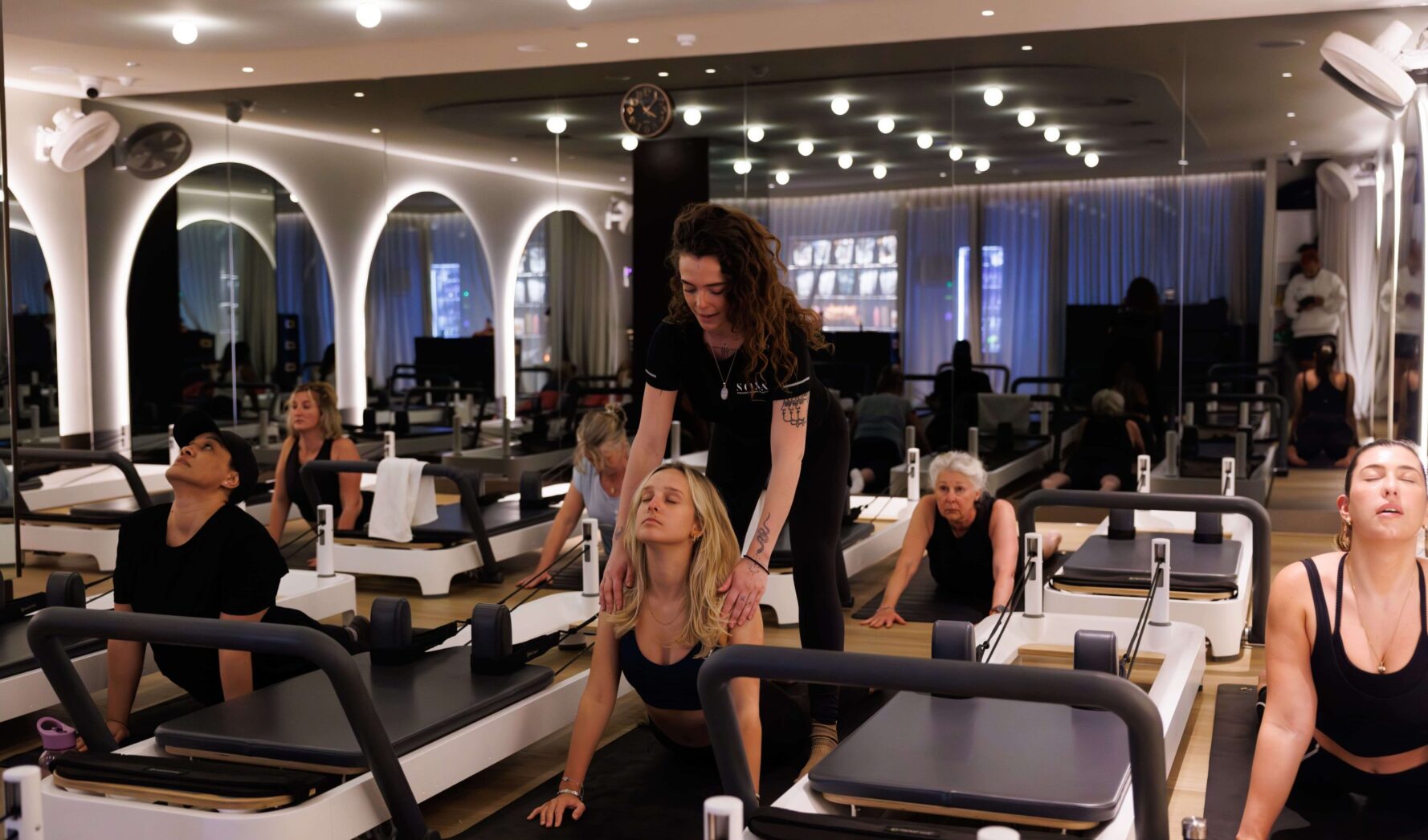
After 40, your body starts sending different signals, and they’re hard to ignore. Energy isn’t as steady, and small aches can show up out of nowhere.
This stage isn’t about slowing down or accepting decline as the norm, but it’s about being more intentional with how you exercise.
Training for longevity shifts your focus from short-term results to long-term capability. The main goals are to stay strong, mobile, and independent as the years go on.
If you’ve been thinking about how to stay fit after 40, it comes down to training smarter and focusing on what actually works.
The Science Behind Longevity and Exercise
A key takeaway from research by the Harvard T.H. Chan School of Public Health is that relying on a single type of exercise is not enough for long-term health. Those who combine different types of movement, like cardio and strength training, tend to live and stay physically capable for longer.
This is further supported by a large pooled analysis of 85 studies published in the British Journal of Sports Medicine, which highlights that physical activity is closely linked to greater longevity.
In conclusion, longevity is the direct result of how your body responds to repeated behaviours, especially when it comes to movement and training.
As you age, several physiological changes begin to take place:
- Muscle mass gradually declines
- Bone density reduces
- Joint mobility becomes more limited
- Recovery slows down.
These shifts can feel subtle early on, but over time, they start to affect how you move and feel day to day.
The important part is that these changes are not fixed. And with the right approach, they can be improved and even reversed.
How Exercise Changes the Aging Process
Consistent training leads to measurable improvements across multiple systems in the body. When you follow the best exercise for health and longevity, you support:
- Cardiovascular efficiency and heart health
- Blood sugar control and metabolic function
- Muscle preservation and strength output
- Joint stability and movement quality
- Brain function, memory, and stress regulation
People who stay active tend to have a better quality of life as they get older. It’s important to keep in mind that consistency matters more than intensity. The strongest results come from people who follow a balanced approach and keep it going over the long term.
Best Workouts for Longevity
1. Strength Training
Maintaining muscle is one of the most important factors. Muscles support how your body moves, stabilise your joints, help regulate metabolism, and play a big role in balance as you age.
The most effective way to train is by focusing on compound movements that work multiple muscle groups at once. These exercises give you more value for your time and help build strength that carries over into daily life.
The best strength training for longevity includes:
-
- Squats using bodyweight or dumbbells for 3 sets of 10 to 12 reps, building lower body strength and stability
- Hip hinge movements such as deadlifts or Romanian deadlifts for 3 sets of 8 to 12 reps, targeting the glutes and hamstrings
- Push-ups or dumbbell chest press for 3 sets of 10 to 12 reps to develop upper body pushing strength
- Overhead pressing with dumbbells or resistance bands for 3 sets of 10 reps, supporting shoulder strength and control.
- Rows using dumbbells, cables, or bands for 2 to 3 sets of 12 reps to strengthen the upper back
- Loaded carries, such as farmer’s carries or suitcase carries, for 30 seconds across 3 rounds to improve grip and full-body strength
- Core stability work, such as planks, dead bugs, or Pallof presses, held for 30 to 40 seconds across 2 rounds to support control and balance.
A focused approach to strength training over 40 in Sydney helps ensure your technique is solid and your progress is consistent.
If you’re looking for a more structured and supportive way to train, low-impact strength classes are a great option for building strength while maintaining good control in your movements.
2. Aerobic Training
Aerobic training supports your overall fitness by improving heart health, increasing energy levels, and helping your body recover more efficiently between sessions. It acts as the base that allows everything else in your training to work better.
You don’t need to push to exhaustion. A consistent pace that feels slightly challenging is enough to deliver benefits.
Effective aerobic options include:
- Brisk walking outdoors or on a treadmill for 30 to 40 minutes to build a steady cardiovascular base
- Incline walking at around 6 to 8% for 20 to 30 minutes to increase intensity without high impact
- Steady cycling, either indoors or outdoors, for 30 to 45 minutes to support endurance and joint-friendly conditioning
- Using an elliptical trainer for 30 to 40 minutes as a low-impact way to maintain consistent movement
- Swimming laps at a comfortable pace for 15 to 30 minutes to improve fitness while reducing joint stress
- Light jogging for 10 to 20 minutes to gradually build aerobic capacity
- Rowing at a steady rhythm for 15 to 20 minutes to engage both upper and lower body while improving endurance
This style of training supports longevity because it’s easy to repeat regularly without placing too much stress on your body.
3. High-Intensity Training
Short bursts of higher-intensity effort can improve cardiovascular fitness in a time-efficient way. Examples of high-intensity training include:
- Fast-paced intervals on a bike or stationary bike for around 10 minutes.
- Hill walking intervals for 10 to 15 minutes.
- Rowing sprints on a machine for 10 minutes.
- Stair climbing efforts for 10 minutes.
- Short running intervals for 10 to 15 minutes.
- Circuit-style bodyweight sessions for 10 to 15 minutes at a moderate to challenging pace, combining movements like squats, push-ups, and lunges
4. Mobility & Movement Training
Mobility exercises for aging help keep your joints functioning well. When you move less, stiffness builds up, balance can decline, and even simple movements start to feel harder than they should.
The focus here is to keep your body moving consistently throughout the day, not just during workouts. Small, but consistent efforts can make a clear difference.
Here’s an example:
- Daily walking with a step target of around 6,000 to 10,000 steps helps support circulation and keeps your body active.
- Short walks after meals, even for 5 minutes, can improve digestion and support blood sugar control.
- Single-leg balance work, holding for 20 seconds per side across 3 rounds, improves stability and reduces the risk of falls.
- Controlled step-ups for 2 sets of 8 reps build strength that directly carries over into everyday movement.
- Gentle yoga or a simple stretching for 10 minutes helps release tension, improve flexibility, and reset your body.
- Short movement breaks every hour, even just 2 to 3 minutes, help keep your joints from tightening up.
This consistent movement supports better posture, smoother movement, and a stronger foundation for all other types of training.
Creating a Balanced Training for Longevity
A well-balanced approach allows you to build strength, maintain endurance, and recover properly without pushing your body to the point where fatigue builds up, and progress slows down.
This becomes even more important after 40, when recovery capacity isn’t the same as it once was, and every session needs to have a clear purpose.
Weekly Routine
Each type of training has a different role, and when combined, they create a program that supports performance and health.
- Strength training: 2 to 3 sessions per week to maintain muscle, support joints, and improve overall strength
- Aerobic training: 2 to 3 sessions per week to build cardiovascular fitness and support energy levels
- High-intensity training: 1 to 2 short sessions to improve fitness efficiently.
- Movement training: integrated throughout your day to maintain joint function and reduce stiffness
Example
- Monday: Start the week with an aerobic session at a steady pace, followed by light mobility exercise to loosen up key areas like the hips and spine. This helps set the tone for the rest of the week.
- Tuesday: Full-body strength training with a focus on controlled reps, good technique, and movements that support everyday function.
- Wednesday: A short high-intensity session to challenge your cardiovascular system, combined with light movement like walking.
- Thursday: Moderate aerobic training, along with balance and stability exercises to support body control and reduce injury risk.
- Friday: Second strength session, with an emphasis on gradual progress. This means slightly increasing weight, improving control, or refining technique.
- Saturday: Optional activity such as walking, swimming, or cycling. This keeps you moving and supports recovery.
- Sunday: Recovery-focused movement, including stretching or mobility exercise, allowing your body to reset and prepare for the week ahead.
This approach works because it spreads effort across the week and allows enough recovery between sessions. It keeps your training consistent, manageable, and aligned with long-term progress, which is exactly what supports lasting results.
Nutrition & Recovery for Longevity
As you move into your 40s, recovery becomes just as important as the training sessions. This is because your body needs more time and the right inputs to repair, adapt, and improve.
Protein and Muscle Maintenance
Maintaining muscle becomes more challenging with age, which makes consistent nutrition a crucial part of training for longevity. Protein plays a central role in repairing muscle tissue, supporting strength, and helping your body recover properly between sessions.
Spreading your protein intake across the day is highly effective. This provides a steady supply of nutrients to support muscle maintenance and ongoing recovery.
Sleep and Hormonal Balance
Sleep has a direct impact on how your body responds to training. When sleep is compromised, recovery slows down, energy levels drop, and it becomes harder to stay consistent with your routine.
Getting enough quality sleep supports:
- Muscle repair and recovery
- Hormone regulation
- Cognitive function and focus
- Stable energy levels throughout the day
Hydration and Daily Nutrition
Hydration plays a crucial role in both performance and recovery. Even mild dehydration can affect how you feel during training and how well your body recovers afterwards.
Alongside staying hydrated, focusing on nutrient-dense foods helps support overall health. Regular intake of fruits, vegetables, healthy fats, and quality carbohydrates ensures your body has the fuel it needs to perform, recover, and adapt.
Safety & Progress Tips for Adults Over 40
Training after 40 means being more precise with how you approach your sessions so you can keep progressing without setbacks.
Focus on Movement Quality
Good technique does more than reduce injury risk. It also improves how effective each exercise is. Slowing down your reps, staying in control, and moving through a full range of motion allows you to get more value from every set. When movement quality is consistent, strength follows naturally.
Progress With Intention
Effective progress doesn’t require an aggressive approach. Small and steady improvements are far more sustainable.
This might look like slightly increasing weight, adding a few extra reps, or improving control and stability within the same movement. Over time, these small changes create meaningful results without placing strain on your body.
Pay Attention to How Your Body Feels
Your body is constantly giving you signals during and after training. Learning to recognise the difference between normal training discomfort and something that doesn’t feel right is key to staying consistent. Making small adjustments when needed helps you keep progressing without setbacks.
Stay Consistent
Consistency is what drives progress. A plan you can follow week after week will always deliver better results than short bursts of intense effort that are difficult to maintain.
Keeping your training realistic, repeatable, and aligned with your lifestyle is what builds results.
FAQs
How long does it take to see results from longevity-focused training?
Many people start noticing small changes like better energy and easier movement within a few weeks. More visible progress in strength and fitness usually builds over a couple of months, as long as training stays consistent.
Is it too late to start training if I’ve been inactive for years?
Not at all. Your body can adapt at any age. Starting slower and building up gradually is important, and you can still make strong progress in overall fitness.
How do I know if I’m training too much or not enough?
If you’re always tired, constantly sore, or your performance is dropping, you might be doing too much. If everything feels easy and nothing is improving, you need more challenge. A good balance leaves you feeling worked, but still able to recover between sessions.
What role does stress play in training after 40?
Stress affects how well your body recovers and performs. When stress is high, progress can slow down. Managing stress alongside your training helps you stay consistent and get better results.
How can I stay motivated to train consistently?
Keeping things simple helps. A routine that fits your schedule, along with tracking small wins, makes it easier to stay motivated. Focusing on how you feel, not just results, also keeps motivation steady.
Is it better to train in the morning or evening after 40?
There’s no perfect time. The best time is the one you can stick to. Choose a time that fits your day so training becomes a regular part of your routine.
Conclusion
Aging is part of life, but how your body feels and functions is largely up to you. The way you train and stay consistent will shape your strength, mobility, and energy in the years ahead.
Training for longevity means keeping your body moving well and developing the kind of resilience that helps you stay active.
At Soma Collection, we offer personal training for adults over 40, with an approach that supports realistic progress you can maintain and continue to benefit from.
Call us at 1300 294 463 or submit our online form. Our focus is on training with purpose and consistency. If you’re ready to feel stronger and move better, this is where you start building habits that support your future.
Read more
Infrared Sauna in Sydney CBD: What to Expect, the Real Health Benefits, and Where to Go
Discover the real health benefits of infrared sauna and where to experience it in Sydney CBD. Book a session at Soma Collection's…
Functional Strength Training Explained: Why It Matters More Than How Much You Lift
Walk into most gyms, and you’ll see people working hard to get stronger. Someone is bench pressing, someone is trying to lift…
The Real Importance of Exercise in Winter: What Happens to Your Body When You Stop Moving
Sydney’s winters are relatively mild, yet they still have a way of disrupting healthy routines. Cold mornings can bring temperatures down into…

Reformer Pilates Benefits Beyond Flexibility: Why Sydney’s Elite Are Ditching Traditional Gyms
If you’ve been paying attention to the shift happening in Sydney’s CBD fitness scene, you’ve probably noticed it already. The traditional gym…

One comment on “Training for Longevity: The Best Workouts to Stay Strong After 40”
[…] blog on training for longevity after 40 explores exactly this: how the right combination of strength, mobility and recovery work compounds […]
Comments are closed.