What to Eat Before and After a Workout (Simple Nutrition Guide)
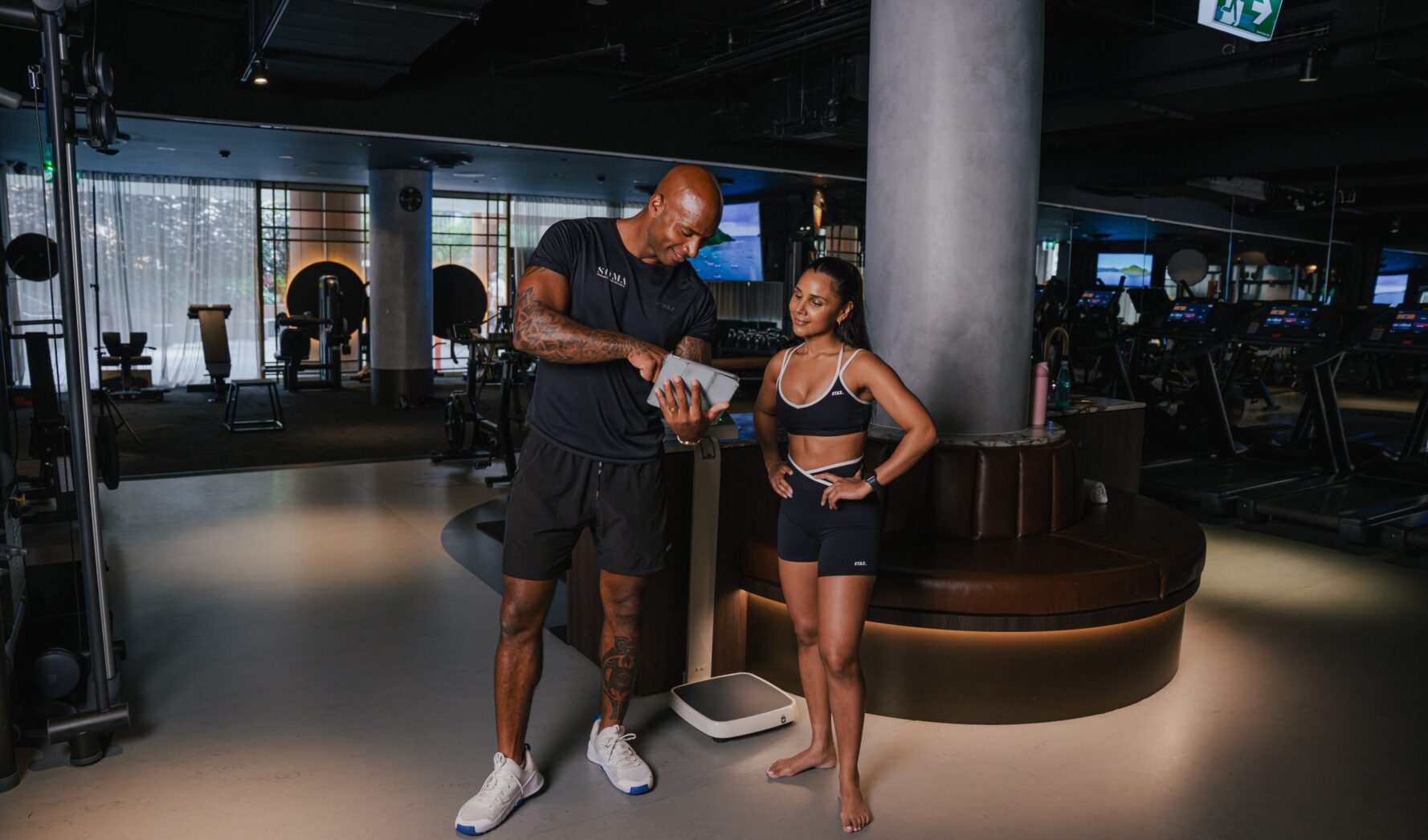
Getting your nutrition right around training can make a noticeable difference in how you perform, how long you can push for, and how quickly you recover afterwards.
When people think about what to eat before and after a workout, they’re usually trying to fix a few common problems, such as low energy at the start of a session or that sluggish feeling kicking in halfway through.
The truth is, your body runs on fuel, and workouts increase that demand. Before training, you need foods that give you energy without sitting heavily in your stomach. After training, you need foods that help your muscles recover and your energy levels return to normal.
And timing is what ties everything together. Eat too early, and you might feel flat before you even start. Eat too late, and you can end up sluggish or under-fuelled. Go too heavy, and your workout feels slow and uncomfortable instead of sharp and focused.
In this blog, we’ll cover what to eat before and after a workout so you can train and recover better.
Pre-Workout Nutrition: Fuel for Performance
During exercise, your body relies on stored fuel, mainly glycogen from carbohydrates. When those levels are low, energy drops off, and training starts to feel harder than it should. This is why you need carbs before a workout for performance.
Protein also plays a role here. It does not give you instant energy like carbs, but it supports muscle tissue during stress and helps reduce breakdown. Fat is beneficial too, but it is slower to digest, so timing matters.
When you eat properly before training, you will notice:
- Better strength output
- Stable energy throughout your session
- Improved focus
- Reduced cravings after training
On the flip side, skipping food or eating poorly can lead to:
- Early burnout
- Light-headedness
- Slower recovery
Timing Your Pre-Workout Meals
If you’re wondering what to eat pre-workout, it really comes down to timing and how your body handles food.
- If you’re eating 2 hours before training, go for a full, balanced meal with carbs, protein, and a bit of fat.
- Closer to your session, around 1–1.5 hours before, a lighter meal is better.
- If you’re short on time, 30 minutes before, stick to an easy-to-digest snack.
Best Pre-Workout Meals by Goal
What To Eat Before Gym (General Training)
If your goal is general fitness or muscle maintenance, good examples include:
- Oats with banana and honey
- Eggs on wholegrain toast
- Greek yoghurt with fruit and granola
- Smoothie with protein powder, berries, and oats
These meals give you steady energy without overloading your digestive system.
What To Eat Before A Workout To Lose Weight
Fat loss training still requires fuel. This is where many people go wrong. They think eating less before training helps fat loss, but in fact, it reduces workout quality. For weight loss, focus on light but effective meals, such as:
- Protein yoghurt with berries
- Banana with a small scoop of peanut butter
- Protein shake with almond milk
- Rice cakes with honey
- Small oats portion with cinnamon
Best Pre-Workout Meal For Strength Training
Strength training is different. You are pushing resistance, building muscle, and needing more energy.
For strength training sessions, your meal should support performance and strength output. Options include:
- Chicken breast with white rice
- Lean beef with sweet potato
- Eggs with toast and avocado
- Greek yoghurt with oats and banana
- Protein smoothie with fruit and oats
Carbs are very important here, giving you the energy to push through multiple sets and reduce early fatigue.
What To Eat Before a Morning Workout
For morning workouts, keep things light so you get energy without feeling heavy. Options are:
- Half a banana or a full banana
- Small protein smoothie
- Toast with honey
- A small yoghurt cup
If you are training very early and cannot eat much, even a small amount of carbs helps switch your body into performance mode.
Some people tolerate fasted training, but energy levels will feel more stable with at least a small intake.
During Workout Nutrition (When It Helps)
For most people, eating during a workout isn’t needed. If your session runs for under an hour, your pre-workout nutrition will give you enough energy to get through it without any issues.
That said, there are situations where adding some form of intra-workout nutrition can make a big difference. As training duration increases or intensity builds, your energy stores begin to drop, and hydration becomes more critical.
You will benefit from intra-workout fuel if your training includes:
- Long endurance cardio sessions like running or cycling
- High-volume weight training that runs beyond 90 minutes
- Intense HIIT sessions
In these cases, your body is working harder for longer, which increases the demand for both fluids and energy.
When it comes to fueling during training, focus on:
- Water to maintain hydration and support performance
- Electrolytes to replace sodium lost through sweat
- Small amounts of fast-digesting carbohydrates, like bananas or raisins.
Hydration should always be the priority. Food only becomes relevant when your training demands it, particularly during longer or more intense sessions where energy levels start to drop.
Post-Workout Nutrition: Recovery & Results
Training places stress on your muscles, creating small amounts of damage that your body then repairs. That repair process is what leads to strength, muscle growth, and improved performance over time.
After your session, your body is more responsive to nutrients. This is the time to refill your energy stores and support muscle repair so you can recover properly and perform well in your next workout.
What To Eat After Gym For Muscle Recovery
Your post-workout meals should combine protein and carbohydrates in a way that is easy to digest and satisfying.
- Grilled chicken with rice and vegetables
- Protein shake with banana and oats
- Tuna sandwich on wholegrain bread
- Eggs with sweet potato and salad
These meals work well because they cover both sides of recovery. Protein helps repair and rebuild muscle tissue, while carbohydrates restore glycogen levels that were used during training.
When combined, they support faster recovery and help reduce muscle soreness so you can get back into your routine without feeling run down.
Eat your post-workout recovery nutrition within 30 minutes to 1 hour. This helps your muscles get the nutrients they need, while keeping your energy levels steady and avoiding that sluggish, drained feeling.
If you wait too long to eat after a hard session, recovery can feel slower, and you will notice fatigue carrying into the next day.
Meal Plans For Goals
The thing is, results come from what you eat the whole day. When your meals line up with your goals, everything feels more balanced.
Meal Plan For Fat Loss and Strength
| Time | Meal Options |
|---|---|
| Morning | Eggs on wholegrain toast or oats with protein powder and berries |
| Pre-workout | Banana or rice cakes, optional coffee for energy |
| Post-workout | Protein shake with fruit or Greek yoghurt with honey |
| Lunch | Grilled chicken with quinoa and salad |
| Snack | Yoghurt, nuts, or a protein bar |
| Dinner | Fish or chicken with vegetables, add small carbs if training was intense |
Meal Plan For Muscle Gain
| Time | Meal Options |
| Morning | Oats with protein powder and banana |
| Pre-workout | Chicken and rice or eggs with toast |
| Post-workout | Protein shake with banana, followed by a full meal within an hour |
| Lunch | Lean beef with rice and vegetables |
| Snack | Greek yoghurt with granola or smoothie with protein, oats, and fruit |
| Dinner | Chicken, salmon, or steak with potatoes or rice |
| Before bed (optional) | Yoghurt or cottage cheese |
Meal Plan For Endurance And Cardio Performance
| Time | Meal Options |
| Morning | Oats with banana and honey |
| Pre-workout | Toast with honey or fruit |
| During workout | Electrolyte drink, such as coconut water or a sports drink |
| Post-workout | Smoothie with fruit and protein |
| Lunch | Chicken sandwich or rice bowl |
| Snack | Fruit and yoghurt |
| Dinner | Rice, or potatoes with lean protein |
FAQs: Pre & Post-Workout Nutrition
Do I really need to eat before every workout?
If your session is short or low intensity, you can train without eating beforehand. But for a more demanding exercise like strength training, HIIT, or longer workouts, eating leads to better performance, more stable energy, and less fatigue during your session.
Is it better to train fasted for fat loss?
Fasted training is not a shortcut to fat loss. What matters more is your overall calorie balance across the day. If training without food makes you feel weak and limits your effort, it slows progress rather than improving it.
How important is hydration compared to food?
Hydration is just as important, if not more. Even mild dehydration can affect strength, endurance, and focus. Drinking enough water throughout the day helps regulate body temperature, supports performance, and improves how you feel during and after training.
Do I need different nutrition on rest days?
You don’t need to eat the same way as you do on training days. Many people slightly reduce their carbohydrate intake since energy demands are lower, but keeping your protein intake consistent is still important for muscle maintenance.
Are supplements necessary for workout nutrition?
No, they’re optional. Your results will come from meals and habits. Supplements can be a good addition, but they’re not needed if your overall diet is already well-balanced.
Final Thoughts
When it comes to what to eat before and after a workout, the goal is to support your body with the right balance of energy and recovery. That means eating in a way that helps you train well, recover properly, and stay consistent. Poor nutrition can leave you low on energy, making it harder to perform at your best.
At SOMA Collection, we take a holistic approach to health and fitness. That means looking beyond just training and focusing on how nutrition and lifestyle all work together. Through personalised fitness coaching, we help you build sustainable habits that support both your workouts and your overall wellbeing.
If you’re ready for a more balanced and effective approach to your health, we invite you to join us. Call us at 1300 294 463 to book a tour or submit our online form and explore how we can support your goals.
Read more
Infrared Sauna in Sydney CBD: What to Expect, the Real Health Benefits, and Where to Go
Discover the real health benefits of infrared sauna and where to experience it in Sydney CBD. Book a session at Soma Collection's…
Functional Strength Training Explained: Why It Matters More Than How Much You Lift
Walk into most gyms, and you’ll see people working hard to get stronger. Someone is bench pressing, someone is trying to lift…
The Real Importance of Exercise in Winter: What Happens to Your Body When You Stop Moving
Sydney’s winters are relatively mild, yet they still have a way of disrupting healthy routines. Cold mornings can bring temperatures down into…

Reformer Pilates Benefits Beyond Flexibility: Why Sydney’s Elite Are Ditching Traditional Gyms
If you’ve been paying attention to the shift happening in Sydney’s CBD fitness scene, you’ve probably noticed it already. The traditional gym…
