Infrared Sauna vs Traditional Sauna: Which Recovery Method Works Best?
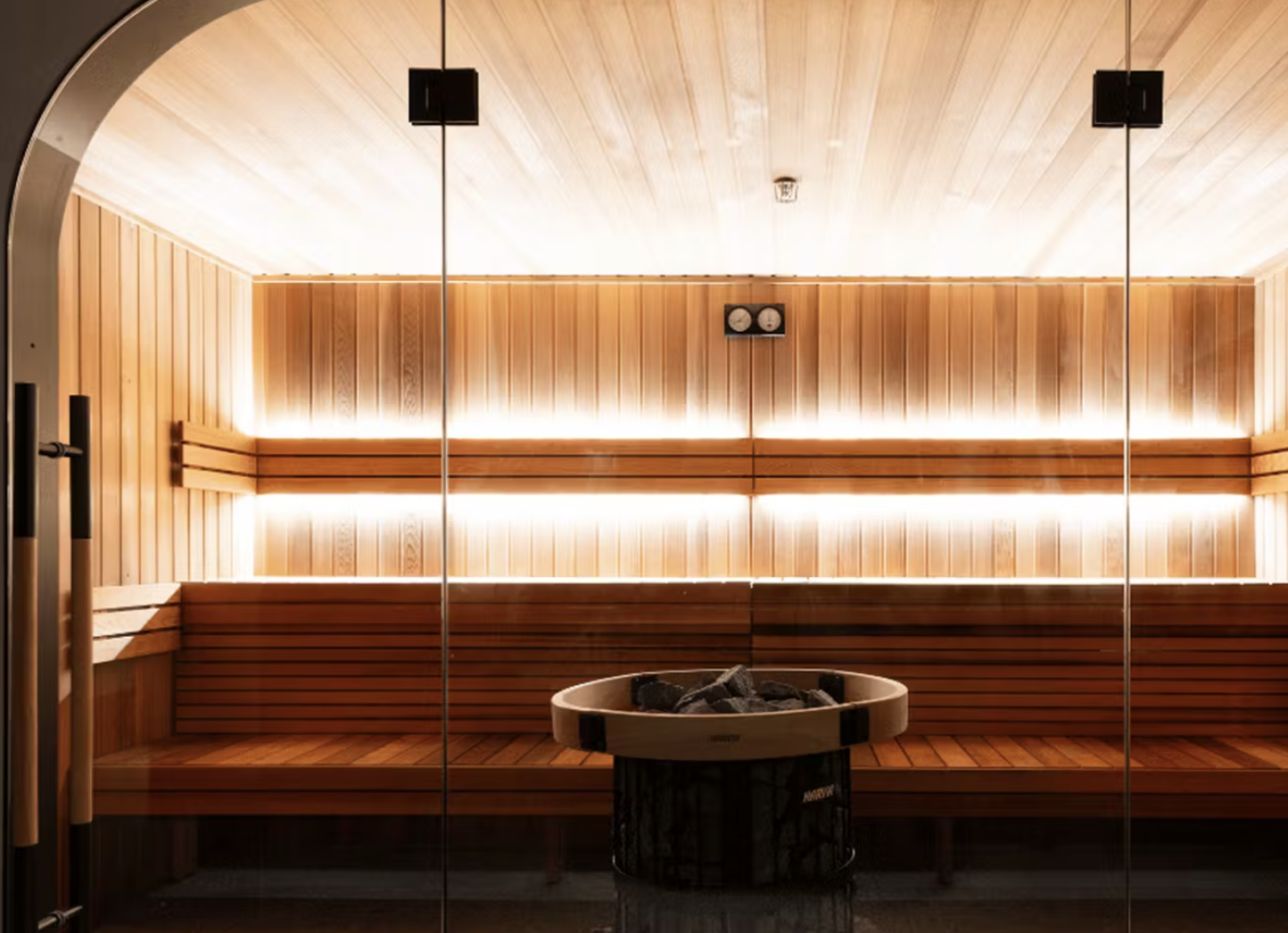
Recovery is no longer an afterthought. In Sydney’s growing wellness space, more people are turning to heat-based therapies to support performance, reduce fatigue, and improve overall wellbeing. The debate around infrared sauna vs traditional sauna continues to gain attention, especially among those seeking effective, science-backed recovery solutions.
Both options offer real benefits. The key lies in understanding how they work and which one aligns with your body, routine, and recovery goals.
What are Saunas and How Do They Work?
Saunas are controlled environments designed to elevate body temperature, stimulate circulation, and promote sweating. While both infrared and traditional saunas serve similar purposes, they differ in how heat is delivered.
Traditional saunas use heated air, often generated by electric heaters or wood-burning stoves. Temperatures typically range between 70 to 100 degrees Celsius. The heat surrounds the body, gradually increasing skin temperature and triggering sweat.
Infrared saunas, by contrast, use infrared light to heat the body directly. They operate at lower temperatures, usually between 40 to 60 degrees Celsius. Instead of heating the air, infrared waves penetrate the skin and warm the body from within.
This distinction is central to the infrared sauna vs traditional sauna conversation, as it affects comfort, intensity, and physiological response.
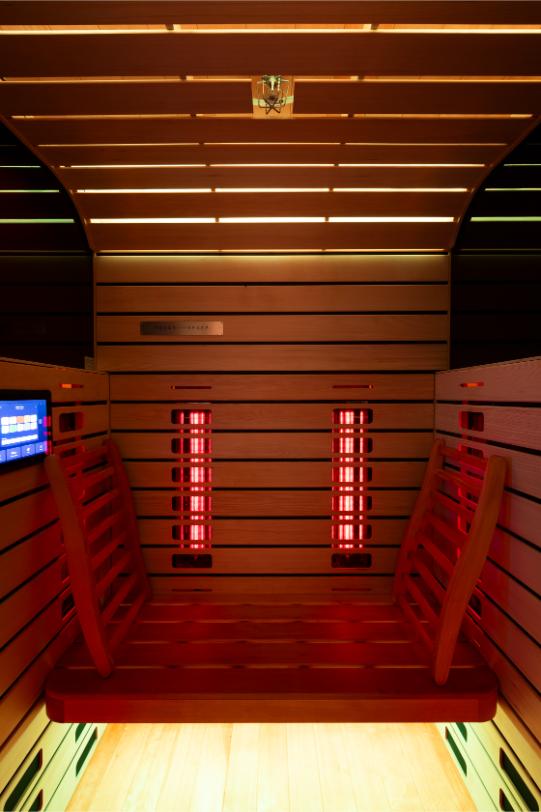
Infrared Sauna vs Traditional Sauna: Side by Side Comparison
| Feature | Infrared Sauna | Traditional Sauna |
| Heat Type & Sensation | Direct infrared heat, gentle and consistent | Heated air, intense and enveloping |
| Temperature Range | 40 to 60°C | 70 to 100°C |
| Penetration Depth | Deeper tissue penetration | Surface-level heating |
| User Comfort | More tolerable for longer sessions | Can feel intense, shorter sessions preferred |
When comparing infrared sauna vs regular sauna, comfort often becomes a deciding factor. Those sensitive to high heat may find infrared sessions easier to sustain, while traditional sauna users often prefer the immersive, high-temperature experience.
Benefits of Each for Recovery
Both infrared and traditional saunas offer distinct advantages for recovery, supporting muscle repair, circulation, and overall wellbeing in different ways.
Traditional Sauna for Recovery
Traditional saunas have long been associated with athletic recovery and relaxation.
- Muscle soreness reduction
Heat exposure helps relax tight muscles and reduce stiffness. Many athletes rely on traditional saunas for recovery after intense sessions to support sauna recovery for muscle soreness. - Blood circulation and cardiovascular support
High temperatures increase heart rate and blood flow, mimicking mild cardiovascular exercise. This can assist with oxygen delivery and recovery. - Relaxation and stress relief
The intense heat encourages endorphin release, helping reduce stress levels and promote mental clarity. - Sleep enhancement
Post-sauna relaxation often leads to improved sleep quality, particularly when used in the evening. - Detox and sweat mechanisms
Sweating in a traditional sauna helps eliminate toxins through the skin, although hydration remains essential.
Infrared Sauna Benefits
Infrared saunas offer a more targeted and comfortable approach to recovery.
- Muscle soreness reduction
Deeper heat penetration can reach muscle tissue more effectively, supporting faster recovery and reducing delayed onset muscle soreness. - Blood circulation and cardiovascular support
Infrared heat promotes circulation without placing excessive strain on the body, making it suitable for regular use. - Relaxation and stress relief
Lower temperatures allow for longer sessions, creating a calm and sustained relaxation response. - Sleep enhancement
Regular infrared use has been linked to improved sleep cycles due to reduced cortisol levels. - Detox and sweat mechanisms
Infrared sessions often produce a deeper sweat at lower temperatures, which many associate with effective detoxification.
For those comparing infrared sauna vs dry sauna, the key difference lies in how heat interacts with the body rather than humidity levels.
Specific Use Cases and Who It’s Best For
Choosing between infrared and traditional saunas depends on your lifestyle, recovery goals, and heat tolerance, with each option suited to different needs and experience levels.
Traditional Sauna for Recovery
- Post workout recovery
Ideal for those who enjoy high heat and want a quick, intense recovery session after training. - Chronic muscle tension
Effective for loosening tight muscles, especially when combined with stretching. - Stress and sleep improvement
The intensity can help reset the nervous system and promote deep relaxation. - Beginners vs seasoned users
Better suited to experienced users or those accustomed to high temperatures.
Infrared Sauna Benefits in Practice
- Post workout recovery
Excellent for consistent use, especially for those training multiple times per week. - Chronic muscle tension
The deeper heat penetration can provide relief for ongoing muscle tightness. - Stress and sleep improvement
A more accessible option for daily stress management and recovery routines. - Beginners vs seasoned users
Well suited to beginners due to lower temperatures and improved comfort.
When evaluating infrared sauna vs traditional sauna, lifestyle plays a major role. Infrared is often chosen for regular use, while traditional saunas appeal to those seeking intensity.
Complementary Recovery Methods
Saunas are most effective when integrated into a broader recovery strategy. Leading providers in any recovery studio in Sydney often combine heat therapy with other methods to maximise results.
Contrast Therapy
Contrast therapy involves alternating between heat exposure, such as a sauna, and cold immersion, like an ice bath. This method is widely recognised for its strong contrast therapy recovery benefits, as it stimulates blood flow by causing blood vessels to expand and contract. This process helps flush out metabolic waste, reduce inflammation, and support faster muscle repair, making it highly effective for those engaging in regular physical activity or intense training.
Beyond physical recovery, contrast therapy also plays a role in nervous system regulation. The shift between hot and cold can help the body adapt to stress more efficiently, improving resilience and reducing fatigue.
Cold Plunge Benefits After Workout
A cold plunge after a workout is one of the most effective ways to reduce muscle soreness and inflammation. The cold plunge benefits after workout include constricting blood vessels, which helps minimise swelling and tissue breakdown caused by intense exercise.
In addition to physical recovery, cold exposure can boost mental clarity and energy levels. When combined with heat therapy, the cold plunge and sauna benefits create a powerful recovery cycle that enhances circulation and promotes overall wellbeing.
Stretching and Mobility Work
Incorporating stretching and mobility work after a sauna session can significantly improve flexibility and joint function. Heat from both infrared and traditional saunas helps relax muscles and increase tissue elasticity, making it easier to perform deeper and more effective stretches.
Regular mobility work also reduces the risk of injury and supports long-term physical performance. When paired with sauna sessions, it enhances sauna recovery for muscle soreness by ensuring muscles recover in a lengthened and balanced state.
Hydration and Nutrition
Hydration is essential when using any sauna, as the body loses fluids and electrolytes through sweat. Replenishing these levels supports circulation, prevents fatigue, and ensures the body can fully benefit from the session. Without proper hydration, the effectiveness of both infrared sauna benefits and traditional sauna for recovery can be reduced.
Nutrition also plays a key role in recovery. Consuming balanced meals with adequate protein, healthy fats, and carbohydrates helps repair muscle tissue and restore energy levels. When combined with sauna use, proper hydration and nutrition create a well-rounded recovery strategy that supports performance, longevity, and overall wellbeing.
The synergy between cold plunge and sauna benefits is particularly valuable for athletes and high-performing individuals.
Practical Tips and How to Use Saunas Safely
To get the most out of your muscle recovery treatments, it’s important to use saunas correctly.
- Duration and frequency: Sessions typically range from 10 to 20 minutes. Infrared saunas may allow for slightly longer sessions due to lower temperatures.
- Hydration: Drink water before and after each session. Dehydration can reduce the benefits and increase fatigue.
- Frequency per week: Two to four sessions per week is a common starting point. Adjust based on your recovery needs and tolerance.
- Contraindications and safety tips: Individuals with cardiovascular conditions, pregnancy, or certain medical concerns should seek professional guidance before use. Avoid alcohol and listen to your body during sessions.
Whether you are exploring infrared sauna vs traditional sauna for the first time or refining your routine, safety should always come first.
Choosing the Right Recovery Experience
Sydney’s wellness landscape continues to evolve, with many seeking out the best recovery studio Sydney has to offer. The choice between infrared sauna vs traditional sauna ultimately depends on your goals.
If you value deep tissue heat, comfort, and consistency, infrared may be the better option. If you prefer high heat, intensity, and a traditional experience, a classic sauna delivers.
Many premium recovery spaces now offer both, allowing you to tailor your sessions based on how your body feels on the day.
Final Thoughts
The conversation around infrared sauna vs traditional sauna is not about which is better in absolute terms. It is about which is better for you.
Both methods support circulation, relaxation, and sauna recovery for muscle soreness. Both can enhance sleep and reduce stress. The difference lies in how the heat is delivered and how your body responds.
By combining sauna use with proven strategies such as contrast therapy recovery benefits, proper hydration, and structured recovery routines, you can elevate your performance and wellbeing.
In a city like Sydney, where access to premium wellness services continues to grow, finding the right balance between tradition and innovation is key.
Keep in touch with us at 1300 294 463 or book a recovery session and experience premium recovery designed around your lifestyle with Soma Collection, offering flexible sauna memberships and recovery facilities accessible across Sydney.
Read more
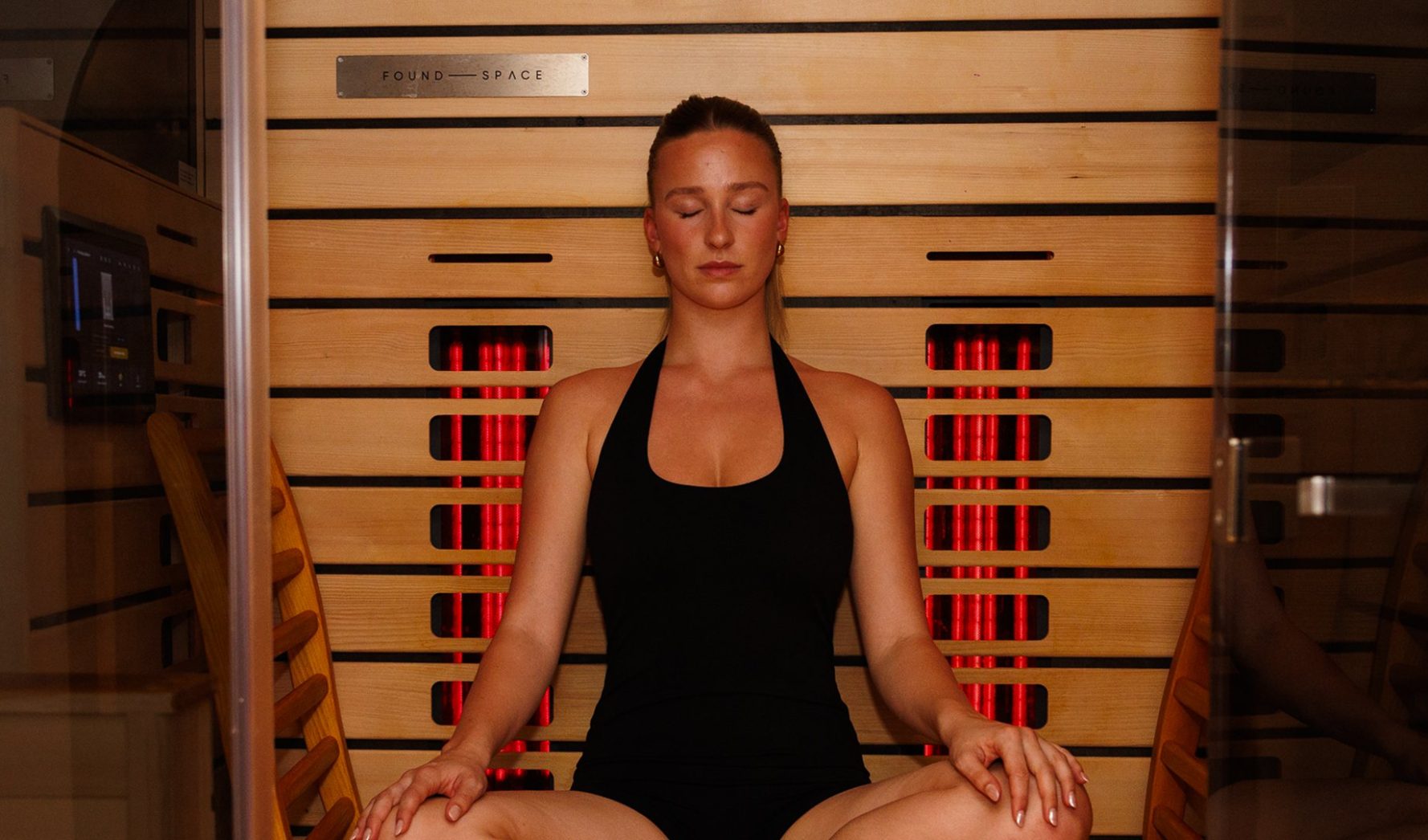
Infrared Sauna in Sydney CBD: What to Expect, the Real Health Benefits, and Where to Go
Discover the real health benefits of infrared sauna and where to experience it in Sydney CBD. Book a session at Soma Collection's…

Functional Strength Training Explained: Why It Matters More Than How Much You Lift
Walk into most gyms, and you’ll see people working hard to get stronger. Someone is bench pressing, someone is trying to lift…
The Real Importance of Exercise in Winter: What Happens to Your Body When You Stop Moving
Sydney’s winters are relatively mild, yet they still have a way of disrupting healthy routines. Cold mornings can bring temperatures down into…
Reformer Pilates Benefits Beyond Flexibility: Why Sydney’s Elite Are Ditching Traditional Gyms
If you’ve been paying attention to the shift happening in Sydney’s CBD fitness scene, you’ve probably noticed it already. The traditional gym…
