Fitness and Stress: How Training Improves Anxiety, Sleep and Mood
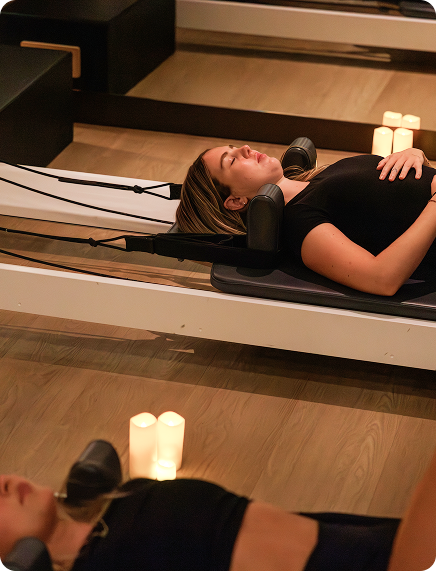
There’s a particular kind of fatigue that doesn’t come from movement. It comes from sitting still while your mind refuses to.
Deadlines. Constant notifications. The low hum of pressure that never fully switches off. For many professionals, stress is no longer occasional; it’s ambient.
That’s where exercise for stress and anxiety becomes more than a wellness trend. It becomes a biological reset.
Training changes your chemistry. It alters how your nervous system responds to pressure. It improves sleep architecture and stabilises mood in ways that are measurable, not imagined.
According to the American Psychological Association, exercise helps reduce stress levels. That number reflects something most people feel instinctively after a good session: mental clarity.
At Soma Collection, training isn’t about excess intensity. It’s about regulation. Inside a refined, private environment, movement is structured to support both performance and calm.
Because stress lives in the body as much as the mind.
Why Fitness and Stress Are Physiologically Linked
Stress triggers a cascade. Cortisol rises. Heart rate increases. Muscles tighten. Sleep becomes lighter and more fragmented. When this pattern repeats daily, the body begins to treat tension as normal.
Exercise interrupts that pattern.
Regular training lowers baseline cortisol levels and increases endorphins — the chemicals responsible for improving mood and dampening pain perception. Harvard Health notes that aerobic exercise reduces tension, improves mood stability, and enhances sleep quality.
That’s why regular exercise to reduce stress and anxiety works more effectively than sporadic, high-effort sessions. The nervous system adapts to repetition.
Sleep also begins to stabilise. The Sleep Foundation reports that moderate aerobic activity increases deep sleep duration — the stage critical for physical repair and emotional processing. Deep sleep is where recovery actually happens.
When you train intelligently, you’re building a system that supports recovery long after you leave the gym.
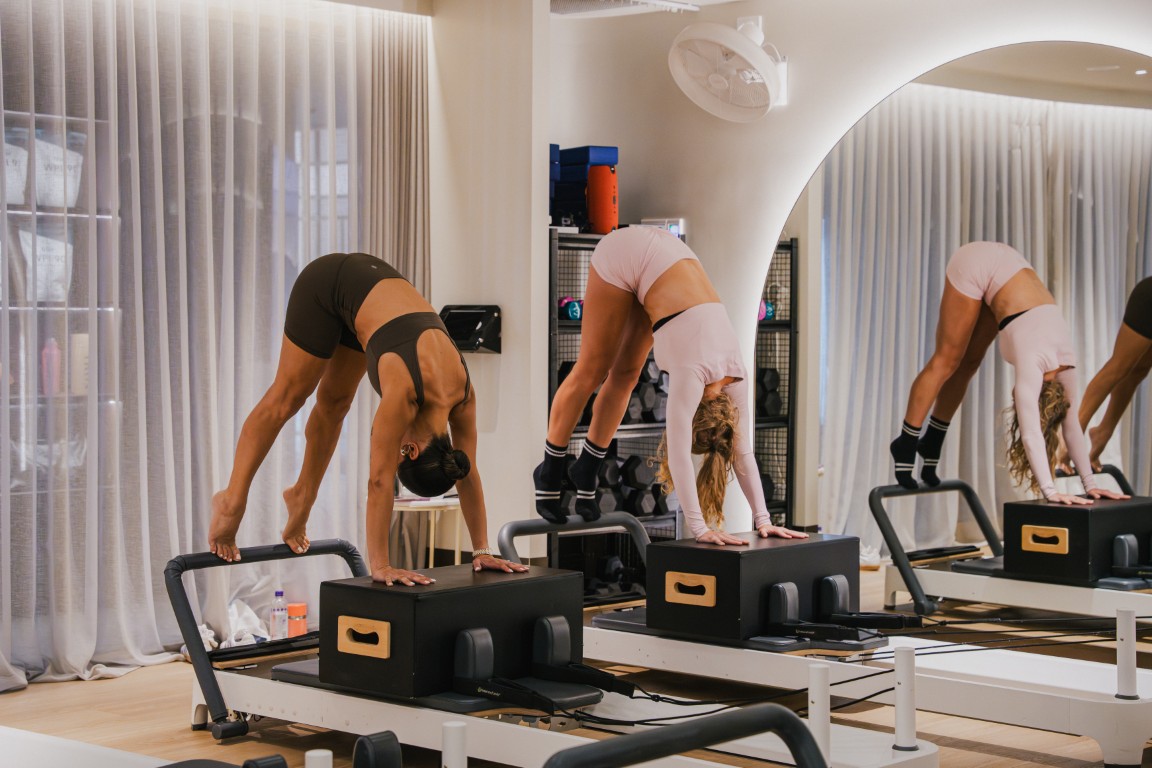
How Strength Training Improves Mental Health
Strength training does something unique. It exposes the body to controlled stress in a safe, predictable format.
You lift. Your muscles fatigue. Your heart rate rises. Then you rest. That recovery phase is where adaptation occurs.
Over time, this process strengthens your capacity to regulate stress outside the gym. Heart rate variability improves. Baseline tension decreases. You recover faster after emotional or cognitive strain.
Research supports this connection. A meta-analysis published in JAMA Psychiatry found that resistance training significantly reduced depressive symptoms across multiple populations.
This is part of how strength training improves mental health. It builds resilience through repetition. There’s a psychological shift that occurs when you realise you can carry more than you once thought. Physical capability translates into mental steadiness.
And that steadiness lingers.
The Best Workouts for Stress Relief
Not every workout calms the nervous system. Some forms of training can amplify stress if programming is excessive or poorly timed.
The best workouts for stress relief share a common thread: structure without chaos.
Structured Strength Work
Resistance training, when programmed intelligently, remains one of the best exercise for stress reduction. It requires focus, which quiets mental noise. It creates a rhythm of effort and rest that mirrors healthy stress cycles.
Controlled tempo. Adequate recovery between sets. Progressive loading over time. These details matter.
Moderate-Intensity Cardio
Steady incline walking, cycling, or rowing at a conversational pace supports circulation and oxygen flow without overwhelming the nervous system. It provides mental decompression while maintaining physiological benefits.
Constant high-intensity intervals, on the other hand, can keep cortisol elevated if performed too frequently. For professionals already managing heavy workloads, balance is critical.
Mobility and Breath Integration
Mobility sessions that integrate breath pacing directly influence the parasympathetic nervous system — the state responsible for calm and digestion.
At Soma, warm-up routines for better sleep and recovery aren’t treated as filler. They create a transition between work and restoration, reinforcing nervous system regulation before the main session even begins.
The body responds to intention.
Anxiety, Sleep and Mood: The Ripple Effect of Consistency
Anxiety often manifests physically before it becomes cognitive. Tight shoulders. Shallow breathing. Restless nights.
Regular exercise for stress and anxiety addresses these physical cues first, which then influences mental state. Training improves neurotransmitter regulation, including serotonin and dopamine, both of which are essential for mood stability.
A consistent gym routine for better sleep strengthens circadian rhythm patterns. When training happens at predictable intervals, the body learns to anticipate effort during the day and recovery at night. Sleep deepens. Night-time awakenings reduce. Morning energy improves.
Improved sleep then lowers anxiety sensitivity. You feel less reactive. More measured.
Mood follows a similar pattern. Strength work increases self-efficacy — the belief that you can handle a challenge. That belief shifts posture, tone, and emotional regulation in subtle but meaningful ways.
Over time, this creates resilience.
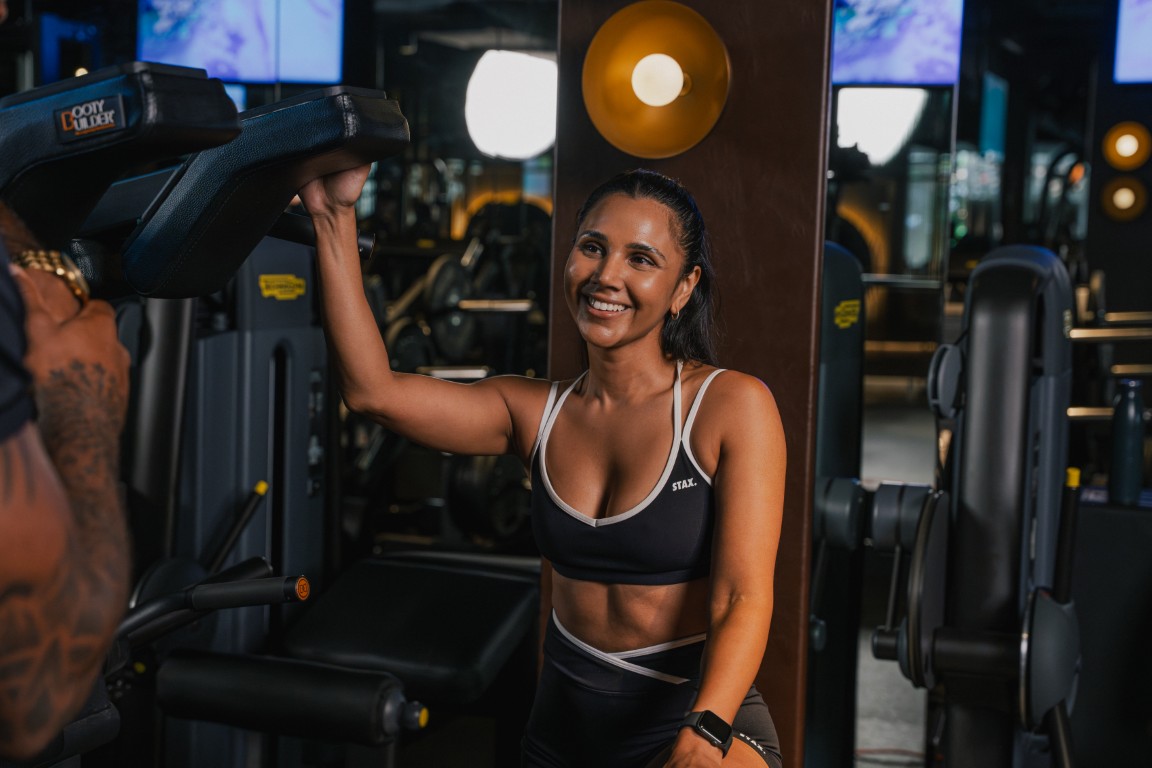
Making Training Work Within a High-Pressure Schedule
Sustainable stress reduction doesn’t require daily two-hour sessions.
Three to four structured sessions per week are enough to create measurable improvements in mood and sleep. Consistency is the variable that drives change.
For professionals balancing long workdays, structure matters even more than intensity. Programming that accounts for workload, sleep quality, and recovery capacity produces better long-term outcomes.
That’s where personalised training for stress management becomes valuable. It aligns effort with your current state rather than pushing against it.
The environment also plays a role.
Large, crowded gyms can heighten stimulation — loud music, limited equipment access, constant visual movement. A private setting creates focus. It reduces unnecessary sensory input.
At Soma Collection, access to recovery and relaxation sessions complements strength programming. Cold therapy, mobility work, and guided recovery reinforce nervous system balance.
This approach reflects the broader SOMA wellness philosophy — training as regulation rather than punishment.
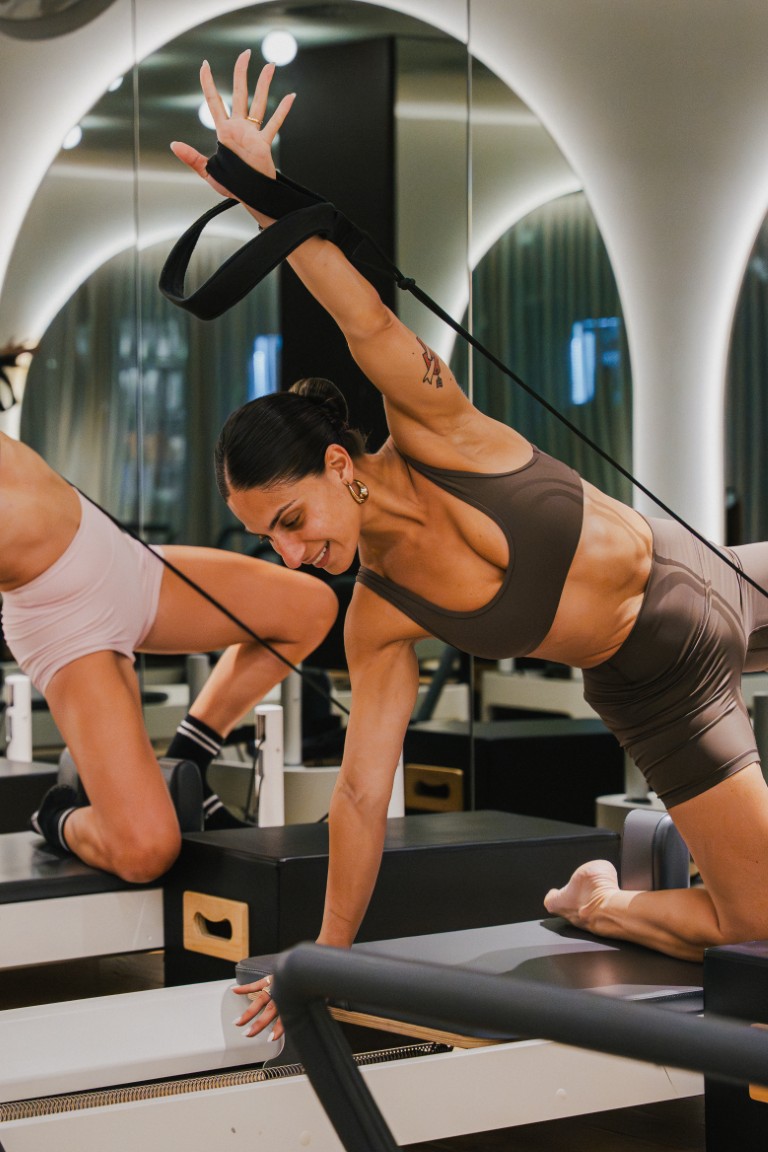
The Long-Term Shift
Stress may remain part of modern professional life. The difference lies in how your body processes it.
With consistent training, resting heart rate decreases. Emotional recovery speeds up. Sleep stabilises. Mood fluctuations soften.
The phrase exercise to reduce stress and anxiety can sound simple. In reality, it reflects a layered physiological transformation.
Hormones recalibrate. Neural pathways adapt. Confidence builds gradually.
Inside a calm, structured environment, this process accelerates.
For professionals seeking a premium fitness experience in Sydney, the value isn’t intensity for its own sake. It’s clarity. It’s recovery. It’s walking back into your workday with steadiness rather than fatigue.
Training becomes less about aesthetics and more about architecture; building a nervous system that responds differently under pressure.
And that difference changes everything.
Read more
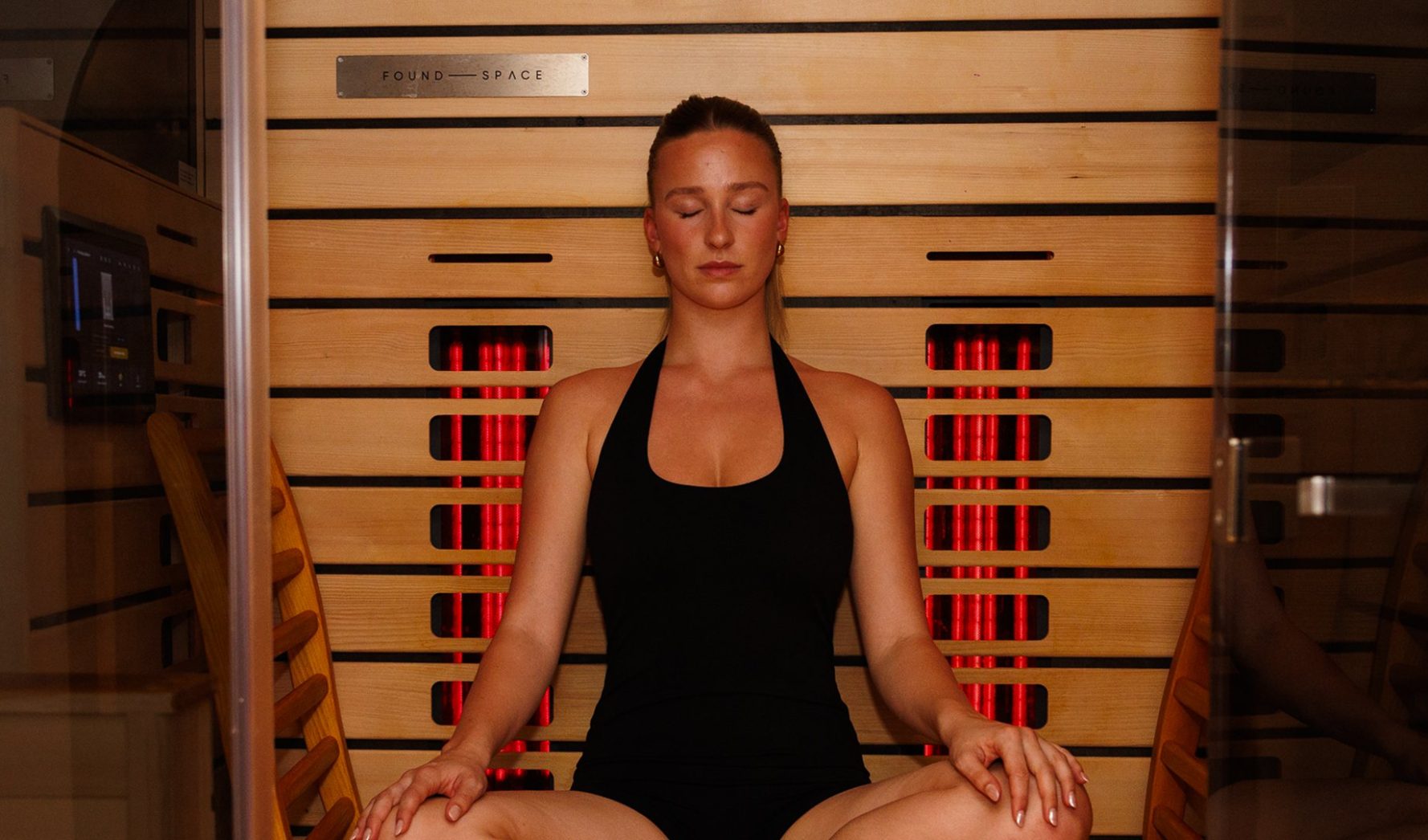
Infrared Sauna in Sydney CBD: What to Expect, the Real Health Benefits, and Where to Go
Discover the real health benefits of infrared sauna and where to experience it in Sydney CBD. Book a session at Soma Collection's…
Functional Strength Training Explained: Why It Matters More Than How Much You Lift
Walk into most gyms, and you’ll see people working hard to get stronger. Someone is bench pressing, someone is trying to lift…
The Real Importance of Exercise in Winter: What Happens to Your Body When You Stop Moving
Sydney’s winters are relatively mild, yet they still have a way of disrupting healthy routines. Cold mornings can bring temperatures down into…
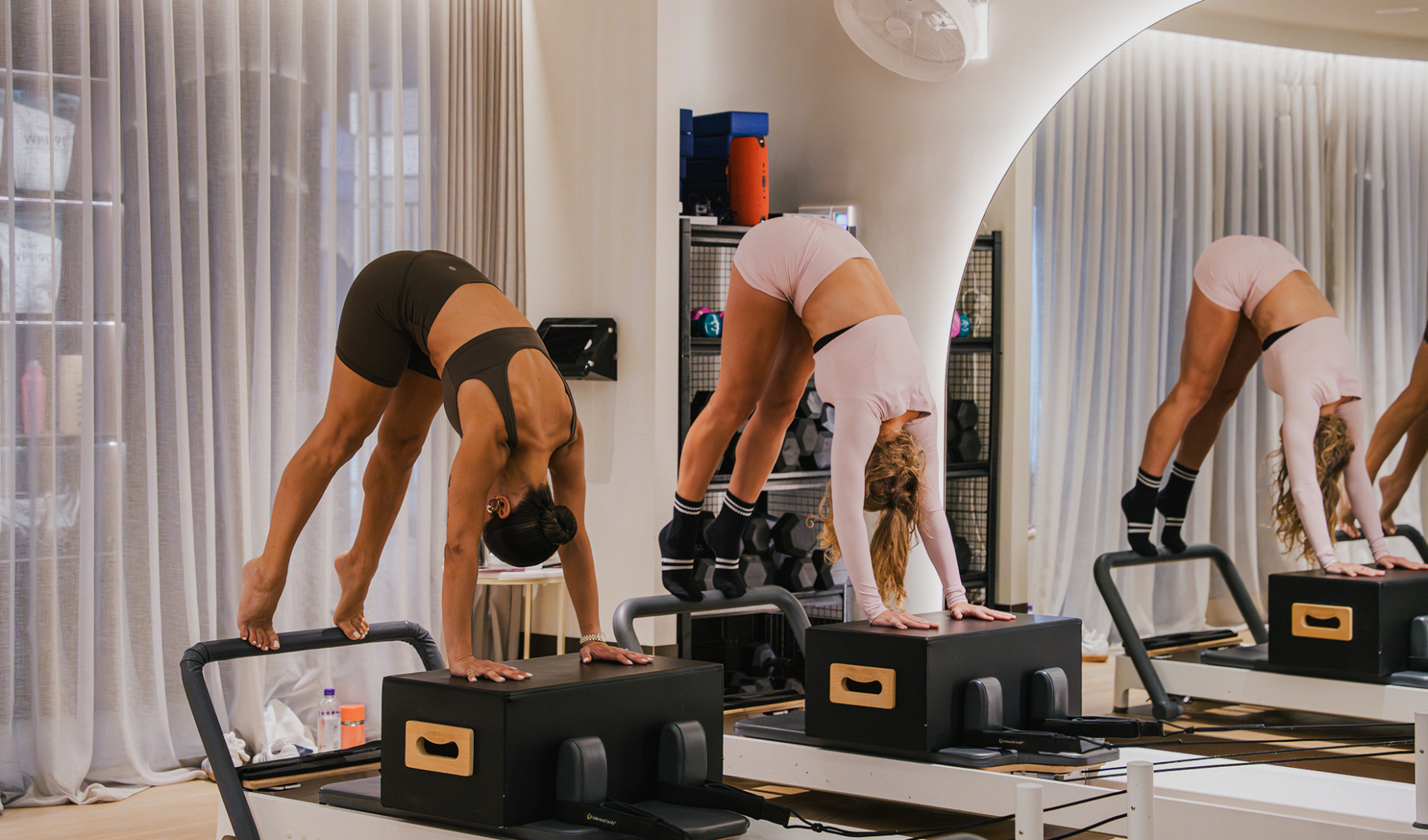
Reformer Pilates Benefits Beyond Flexibility: Why Sydney’s Elite Are Ditching Traditional Gyms
If you’ve been paying attention to the shift happening in Sydney’s CBD fitness scene, you’ve probably noticed it already. The traditional gym…
