The Real Importance of Exercise in Winter: What Happens to Your Body When You Stop Moving
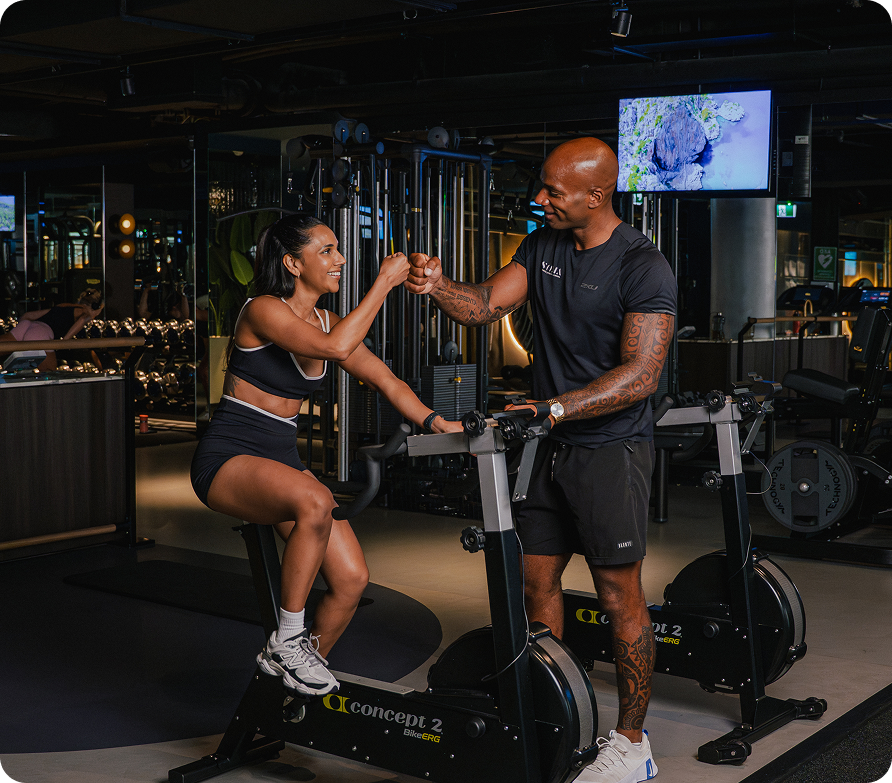
Sydney’s winters are relatively mild, yet they still have a way of disrupting healthy routines. Cold mornings can bring temperatures down into the single digits, the afternoons feel shorter, and getting home after work can seem like a bigger effort than usual. None of this makes exercise unsafe, and it certainly does not make training impossible.
Even so, gym attendance tends to decline during winter. Workouts are skipped, and habits that took months to build can start to slip away.
Many people assume that taking a few weeks off from exercise will have little impact. However, the body begins adapting to inactivity sooner than most people realise. In this blog, we explore what happens to your body when you stop exercising.
Why Winter Is One of the Best Times to Exercise
Many people see winter as a season for maintaining their fitness rather than improving it. However, cooler conditions can support exercise performance in several ways.
When you train in cooler weather, your body does not need to work as hard to manage heat. Blood flow can be directed more effectively to working muscles, and endurance performance tends to improve.
The challenge is not that winter is harder on the body, but to stay consistent when cold mornings, darker evenings, and comfortable indoor spaces make it easier to skip a session.
How Quickly Does Fitness Start to Decline?
A review published in Sports Medicine by Iñigo Mujika and Sabino Padilla found that many of the physiological adaptations gained through regular exercise begin to decline within the first few weeks of inactivity.
Key findings include:
- Cardiovascular fitness can begin to decline within 10 to 14 days of inactivity.
- Muscle strength starts to decrease within two to three weeks without regular training.
- The longer the break continues, the more noticeable the loss of fitness becomes.
Most people who take a break during winter are not planning to stop exercising for an extended period. The intention is usually to miss a few sessions or take a short break. The problem is that these small interruptions can add up. A busy weekend, or a social event, can turn a week off into a month before you realise how much time has passed.
What Are the Benefits of Exercising in Cold Weather in Australia
More Comfortable Training Conditions
Australian summers can bring intense heat and humidity, making exercise more challenging. Winter offers a more comfortable environment for training, allowing you to focus on your workouts without feeling overheated.
Supports Mood and Energy Levels
Shorter days and colder weather can affect energy levels during winter. Regular exercise helps reduce stress, improve mood, and maintain steady energy throughout the day.
Preserves Fitness and Strength
Maintaining an exercise routine through winter helps protect the fitness and strength you have already built. This makes it easier to continue progressing rather than spending time rebuilding lost conditioning later.
How Quickly Do You Lose Muscle When You Stop Training?
Stopping exercise does not cause muscle loss right away. A 2022 meta-analysis by Josip Grgic, published in the International Journal of Environmental Research and Public Health, found that long periods without training were linked to greater reductions in muscle size.
This highlights the importance of continuing strength training, even during colder months. Regular exercise helps the body maintain muscle and strength, preventing the gradual decline that can happen during periods of inactivity.
Benefits of regular strength training include:
- Preserving muscle mass as you age.
- Maintaining strength for everyday activities.
- Supporting healthy metabolism.
- Improving physical function.
At SOMA, our personal training sessions and strength training programs in Sydney are developed to help clients experience these benefits. Each program is structured to provide the right level of challenge and support for long-term progress.
What Happens to Your Metabolism When You Stop Exercising?
Changes in Daily Energy Requirements
When your activity levels decrease and muscle mass changes, your body needs fewer calories to support its daily functions. If your eating habits stay the same while your energy needs decrease, it can become easier to gain weight.
Your Body Becomes Less Efficient at Using Energy
Regular exercise helps your body use carbohydrates and fats as fuel more effectively. When you stop training, changes in fitness levels and insulin sensitivity can affect how efficiently your body manages energy. This can reduce endurance and make physical activities feel more challenging.
For busy professionals already dealing with increased stress, prolonged sitting, disrupted sleep, and demanding workloads during winter, regular exercise helps support overall metabolic health.
How Winter Exercise Helps Keep Your Immune System Strong
Supports Healthy Immune Cell Activity
Regular physical activity helps your immune system function more efficiently. Exercise encourages immune cells to move throughout the body, making it easier for them to identify and respond to viruses and other harmful pathogens.
Improves Blood Circulation
Good blood circulation plays an important role in overall immune health. Exercise improves blood circulation, allowing oxygen and nutrients to reach the body’s tissues more easily. This supports the body’s ability to maintain normal immune function during the colder months.
Helps Manage Winter Stress
Stress can affect how well the immune system works. Physical activity encourages the release of endorphins, which can help improve mood and reduce feelings of stress. Keeping stress levels under control supports a stronger and more balanced immune response throughout winter.
How Regular Exercise Prevents Joint Stiffness During Winter
Keeps Joints Lubricated Naturally
Regular exercise helps stimulate the production and circulation of synovial fluid, which lubricates the joints and reduces friction between joint surfaces. This helps maintain smoother and more comfortable mobility.
Builds Support Around the Joints
Strength-based exercises help develop the muscles surrounding your joints, providing greater stability and support. Stronger muscles can reduce the pressure placed on joints during daily activities.
Maintains Flexibility and Range of Motion
Exercises that involve stretching and controlled movements help maintain joint flexibility and range of motion. Incorporating activities such as yoga, Pilates, or mobility exercises into your routine can help prevent joints from feeling tight and make everyday movements easier.
How SOMA Supports Your Health Throughout Winter
Strength Training That Helps Maintain Muscle
Our personal training and strength sessions provide the resistance needed to maintain and build muscle during winter. Every program begins with an assessment of your movement, posture, strength, and overall fitness. This is to create a training approach that aligns with your personal goals and physical needs.
Recovery Support for Your Overall Well-Being
Recovery is an important part of staying active throughout the year. Members have access to recovery facilities, including a magnesium-infused cold plunge, infrared and traditional saunas, and guided recovery support. These offerings work alongside your training to support overall well-being.
A Training Environment That Makes Consistency Easier
SOMA is a private members’ club in Sydney CBD with limited membership numbers, creating a calm and focused training environment. With experienced coaches, premium facilities, and recovery services in one location, maintaining your routine feels more achievable throughout winter.
Frequently Asked Questions
How many days a week should I exercise during winter?
Aiming for at least 3 exercise sessions per week can help adults maintain strength, mobility, and overall fitness during winter. Combining resistance training, cardio, and stretching is a balanced approach.
Do I need a longer warm-up during winter?
Yes. Colder temperatures can leave muscles and joints feeling tighter at the start of a workout. Spending a few extra minutes warming up helps increase blood flow, improve mobility, and prepare your body for exercise.
What is the best type of exercise during winter?
The best type of exercise is one you enjoy and can maintain consistently. A balanced routine that includes strength training, cardiovascular exercise, and mobility work offers the most benefits for maintaining overall health during winter.
Should I exercise if I have a cold?
It depends on your symptoms. Light exercise can be appropriate for mild symptoms such as a runny nose, but rest is recommended if you have a fever, chest congestion, or feel unwell. If symptoms persist, seek medical advice before returning to exercise.
Why do workouts feel harder during winter?
Several factors can contribute, including colder temperatures, reduced daylight hours, changes in sleep patterns, and lower activity levels. This is why a proper warm-up can help make exercise feel more comfortable.
Conclusion
Why is it important to exercise in winter? Because staying active helps support your overall wellbeing when your body needs it most. Continuing your exercise routine helps your body stay strong and makes it easier to maintain your fitness throughout the colder season.
If you are based in Sydney and want a structured approach to training, recovery, and health, SOMA provides the coaching, facilities, and support to help you stay on track throughout winter.
Don’t wait until spring. Book a consultation with our trainer and discover how the right training plan can help you maintain your progress, stay consistent, and make the most of the months ahead.
Read more
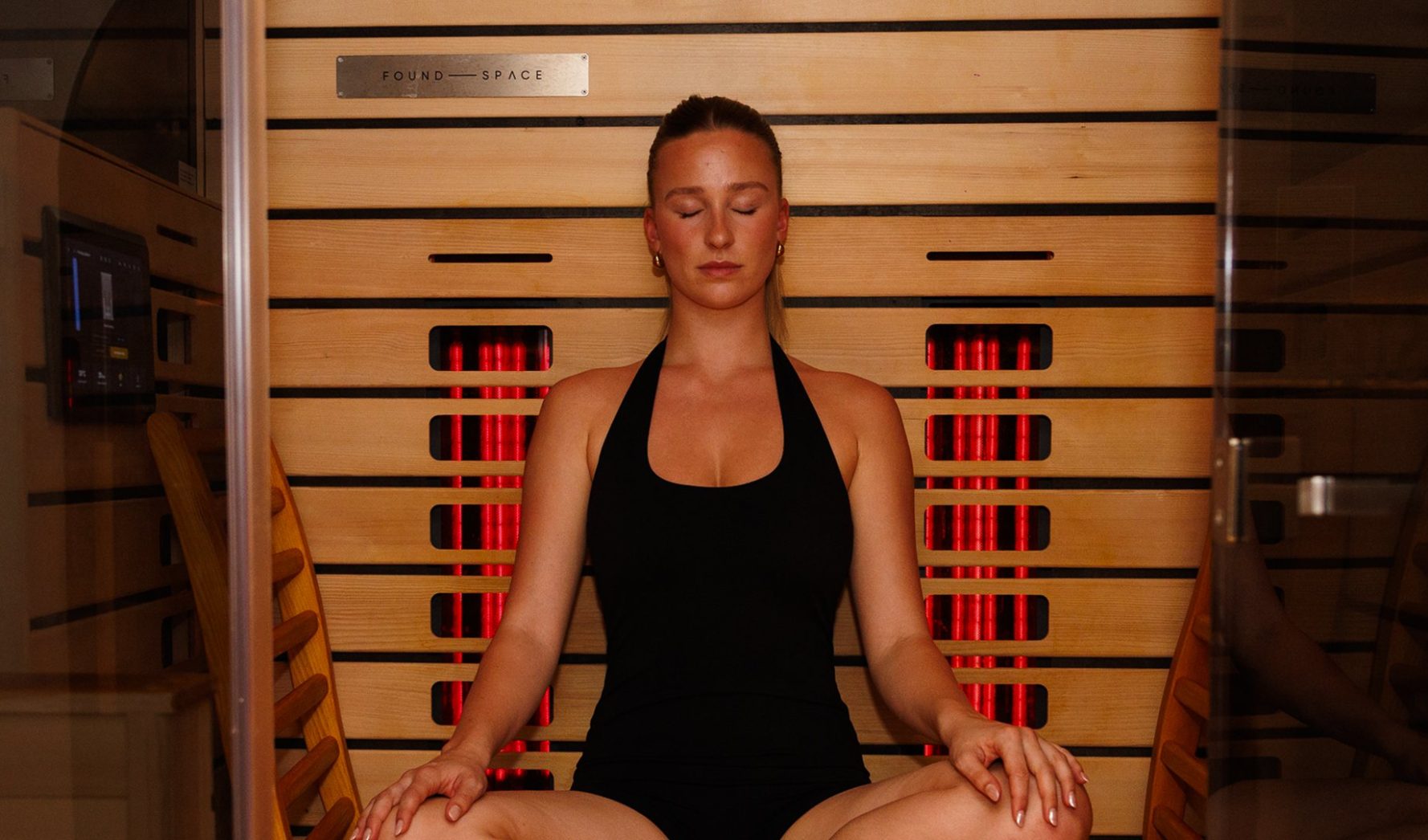
Infrared Sauna in Sydney CBD: What to Expect, the Real Health Benefits, and Where to Go
Discover the real health benefits of infrared sauna and where to experience it in Sydney CBD. Book a session at Soma Collection's…
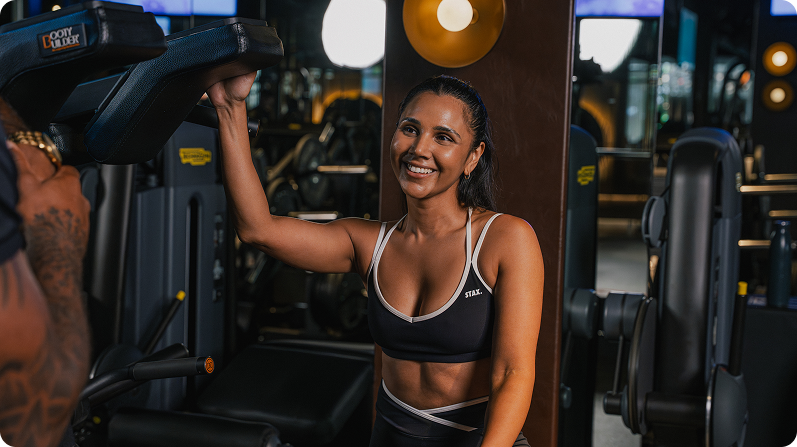
Functional Strength Training Explained: Why It Matters More Than How Much You Lift
Walk into most gyms, and you’ll see people working hard to get stronger. Someone is bench pressing, someone is trying to lift…
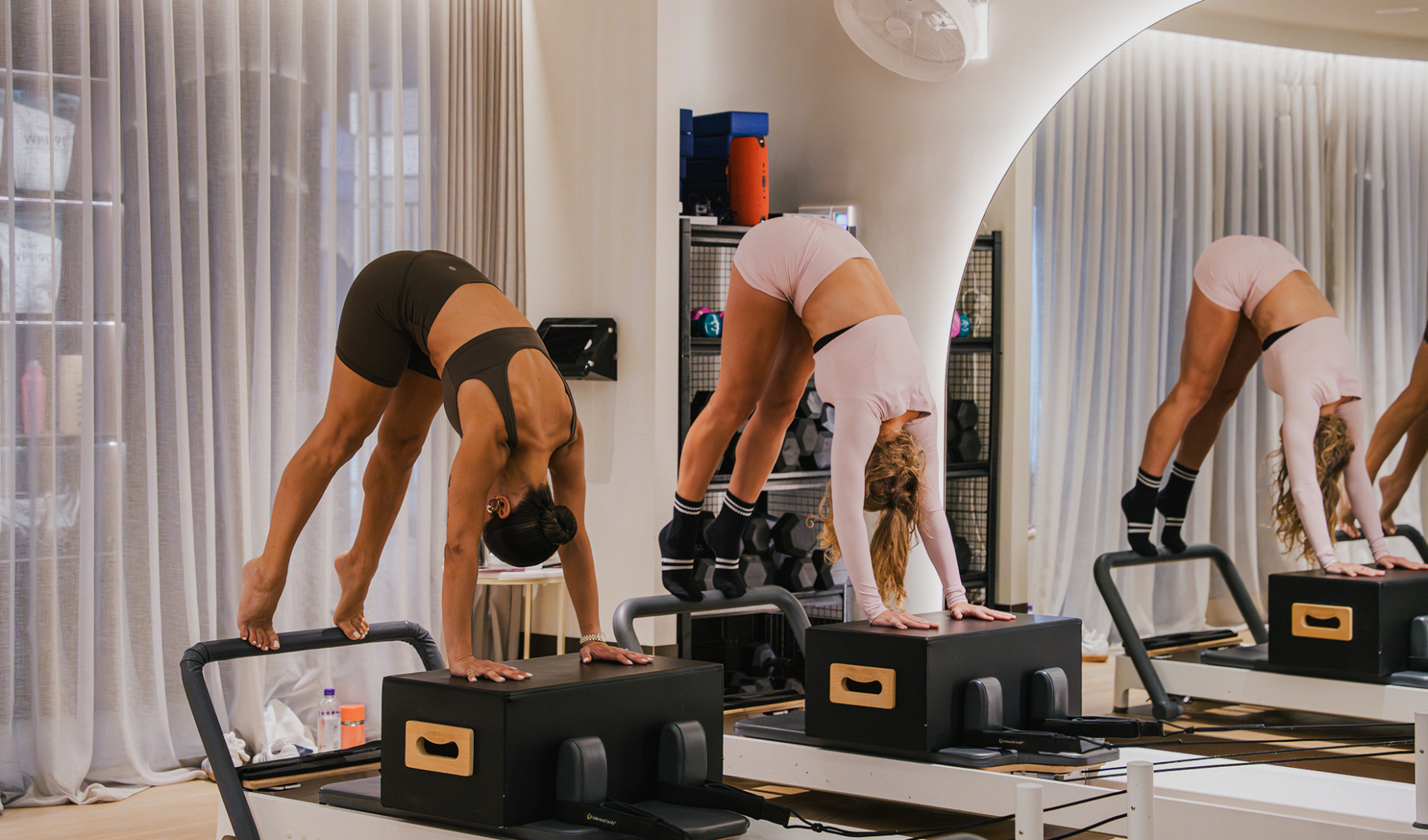
Reformer Pilates Benefits Beyond Flexibility: Why Sydney’s Elite Are Ditching Traditional Gyms
If you’ve been paying attention to the shift happening in Sydney’s CBD fitness scene, you’ve probably noticed it already. The traditional gym…
Why Winter Is Actually the Best Time to Build Muscle in Australia
Winter in Sydney brings a familiar routine. The alarm goes off, the temperature drops below 15 degrees, and the same internal negotiation…
