Functional Strength Training Explained: Why It Matters More Than How Much You Lift
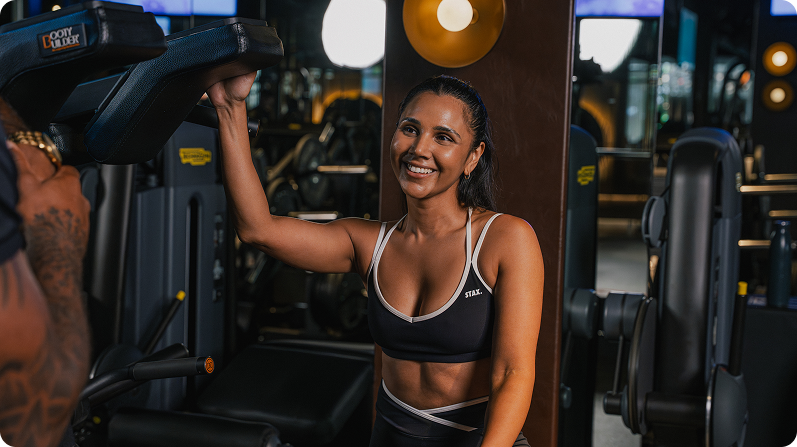
Walk into most gyms, and you’ll see people working hard to get stronger. Someone is bench pressing, someone is trying to lift heavier than they did last week, and someone else is moving from one machine to the next.
There is nothing wrong with any of these approaches. Strength training is one of the best things you can do for your health, and getting stronger is a great goal to have. But there is a difference between building strength for a workout and building strength that helps you in everyday life. That is what functional strength training is all about.
The strength you build should make everyday tasks feel easier. It should help when you’re carrying shopping bags, lifting and playing with your kids, or climbing stairs. It should support the way your body moves each day, not just the way it performs during a workout.
In this blog, we’ll explain what functional strength training is and why it is an important part of staying strong and active.
What Is Functional Strength Training?
Functional strength training helps your body move more effectively during everyday activities. It focuses on movement patterns that involve several muscles and joints working together, helping you build strength that supports the way you naturally move.
Think about picking up a box from the floor. You bend at the hips and knees, engage your core, keep your back stable, and use your legs to stand back up. This is a full-body movement that requires different parts of your body to work together.
Functional strength exercises are based on movements we perform every day, such as lifting, carrying, pushing, pulling, and walking. Training these movements helps improve balance and overall strength.
Functional Strength Training Benefits
Reduce Injury Risk
Injuries are easier to prevent than they are to recover from. Functional strength training helps build stronger muscles, improve joint stability, and develop better movement patterns, which can lower the risk of getting injured during exercise and everyday activities.
Strength That Helps in Everyday Life
One of the biggest benefits of functional strength training is improved movement. Training the body through natural movement patterns helps develop the strength and control needed for daily activities.
Better Movement as You Age
Muscle loss begins gradually from around the age of 30 and speeds up later in life. Regular strength training helps preserve muscle strength and supports independent living.
As we get older, maintaining strength, mobility, and independence becomes increasingly important.
A 2024 systematic review published in European Review of Aging and Physical Activity analysed 32 studies and found that functional training improved activities of daily living and physical functioning in older adults.
The researchers concluded that functional training can help maintain independence and reduce functional decline as people age. These benefits are a big reason why many consider strength-based exercise to be one of the best exercises for health and longevity.
Why Functional Movement Matters for Injury Prevention
Injuries happen when the body cannot properly control movement during physical activity. Functional training helps improve strength, balance, and stability, helping the body move more safely and handle physical demands better. Research shows these improvements can help lower the risk of injuries.
“Effect of Functional Training on Physical Fitness Among Athletes: A Systematic Review” (Frontiers in Physiology, 2021)
This systematic review examined the effects of functional training on athletic performance. The researchers found that functional training improved strength, power, balance, agility, and speed. These improvements reduce injury risk because they allow the body to move more efficiently and stay stable during physical activity.
“The Effect of Adherence to Functional Stability Training on Lower-Limb Injury Prevention” (ScienceDirect)
This study explored the role of functional stability training in reducing lower-limb injuries. The researchers found that functional exercises helped improve balance, joint stability, body awareness, and movement control.
Simply put, functional stability training helps your muscles and nervous system work together more effectively. This improves control during activities such as balancing, changing direction, and reacting to unexpected movements.
Functional Training vs Strength Training
The discussion around functional training and traditional strength training is not about deciding which one is better. Both can help you build muscle, improve your health, and become stronger. The real difference is how that strength is developed and how it helps you outside the gym.
The Goal Is Different
Traditional strength training focuses on increasing the amount of weight you can lift. Progress is measured by how much stronger you become in a specific exercise. A leg press strengthens the legs, while a bicep curl targets the arms.
Functional strength training looks at how well that strength carries over into everyday life. The purpose is to build strength that helps you move, lift, balance, and perform daily activities more easily and comfortably.
Training Movements, Not Just Muscles
Traditional strength programs focus on individual muscle groups, which is why you’ll hear terms like chest day, leg day, and arm day.
Functional training focuses on movement patterns. Exercises are built around actions such as squatting, hinging, pushing, pulling, rotating, and carrying. These movements involve multiple muscles and joints working together, which is how the body naturally moves throughout the day.
Building Stability and Control
Many gym machines provide support and guide the movement for you. This is helpful when learning an exercise or targeting a specific muscle.
Functional exercises place more responsibility on your body to control the movement. When performing a standing dumbbell press, for example, your core, shoulders, and lower body all work together to keep you stable while moving the weight.
This helps develop the strength and control needed for everyday movements where there is no machine providing support.
Why Both Approaches Matter
Functional training and traditional strength training complement each other by developing different aspects of physical performance.
Traditional strength training helps build the muscle and strength needed to support physical performance. Functional training helps you apply that strength through better movement.
At SOMA, we combine both approaches, and the result is a body that is strong, capable, and prepared for the demands of everyday life.
Functional Fitness Exercises for Everyday Life
Functional training focuses on the movement patterns your body uses every day. Here are six of the most important:
Squat
The ability to lower your hips and stand back up with control. Builds leg strength, hip mobility, and core stability. Examples include goblet squats, front squats, and single-leg box squats.
Hinge
The ability to bend at the hips while keeping your spine stable. This movement is important for lifting safely. Common exercises include deadlifts, kettlebell swings, and hip thrusts.
Push
Develops upper body strength and shoulder stability. Push-ups, dumbbell presses, and overhead presses are all examples of pushing movements.
Pull
Strengthens the back, shoulders, and arms to help improve posture. Rows, pull-ups, and face pulls are common pulling exercises.
Rotate and Anti-Rotate
Improves your ability to create and control rotational movement. These exercises help build core strength and stability. Examples include cable rotations, Pallof presses, and medicine ball throws.
Carry
Walking while holding a weight. This simple movement helps build grip strength, core stability, balance, and postural endurance. Examples include farmer’s carries, suitcase carries, and overhead carries.
How We Build Functional Strength at SOMA
We Start With a Full Assessment
We look at posture, movement quality, strength, body composition, core stability, mobility, and joint function to have a better understanding of how your body moves.
This helps us to identify areas that need attention before creating your training program. By understanding your starting point, we can build a plan that suits your goals, fitness level, and movement needs.
Coaching That Turns Experience Into Results
With experience in strength, performance, movement, and recovery, our coaching team understands what it takes to help you improve.
Nick’s military and MMA background has given him valuable knowledge of building strength, resilience, and physical performance. Nathan’s experience in rugby and gymnastics provides valuable insight into mobility, coordination, body control, and movement development.
Together, their experience helps members build better movement habits, improve technique, and train with purpose.
Recovery Support That Helps You Progress
Functional training challenges the body in many ways. This is why recovery plays an important role in helping your body adapt to these demands and continue progressing.
SOMA’s recovery centre includes infrared saunas, a Finnish sauna, and a magnesium-enriched cold plunge. These facilities are available to support recovery, help manage muscle soreness, and prepare your body for future training sessions.
Frequently Asked Questions
How Many Times Per Week Should I Do Functional Strength Training?
For most people, two to three sessions per week is a great starting point. This aligns with Australian physical activity guidelines, which recommend muscle-strengthening activities on at least two days each week.
Do I Need Equipment for Functional Strength Training?
Many functional exercises can be performed using your body weight, including squats, lunges, push-ups, planks, and balance exercises.
Equipment such as dumbbells, kettlebells, resistance bands, and cable machines can help you continue progressing as you get stronger, but you can begin with the equipment you have available. The quality of your movement is what matters most.
How Long Does It Take to See Results?
Many people notice improvements in movement, mobility, and everyday comfort within the first few weeks of consistent training. Strength gains and visible physical changes usually become more noticeable after eight to twelve weeks.
You will find that daily activities feel easier, your posture improves, or you experience less stiffness and discomfort before you notice changes in the mirror.
Is Functional Strength Training the Same as CrossFit or HIIT?
Functional strength training shares some exercises with CrossFit and HIIT, but the goal is different.
The focus is on building strength, improving movement quality, and developing better control of your body through structured, progressive training. Programs are structured to help you move more efficiently.
Should Women Train Functional Strength Differently from Men?
The core principles of functional strength training are the same for everyone. Exercises such as squatting, pushing, pulling, lifting, and carrying are beneficial regardless of gender.
Conclusion
Functional strength training helps you build a stronger, more capable body that can handle the demands of an active lifestyle.
By improving strength, stability, mobility, and movement quality, it supports physical health and helps you continue progressing inside and outside the gym. Functional training can also complement a weight loss workout plan by helping you maintain muscle and build sustainable exercise habits.
Join SOMA’s functional strength training program in Sydney. Book a tour today and see how our coaching, training environment, and recovery facilities can help you reach your fitness goals with confidence.
Read more
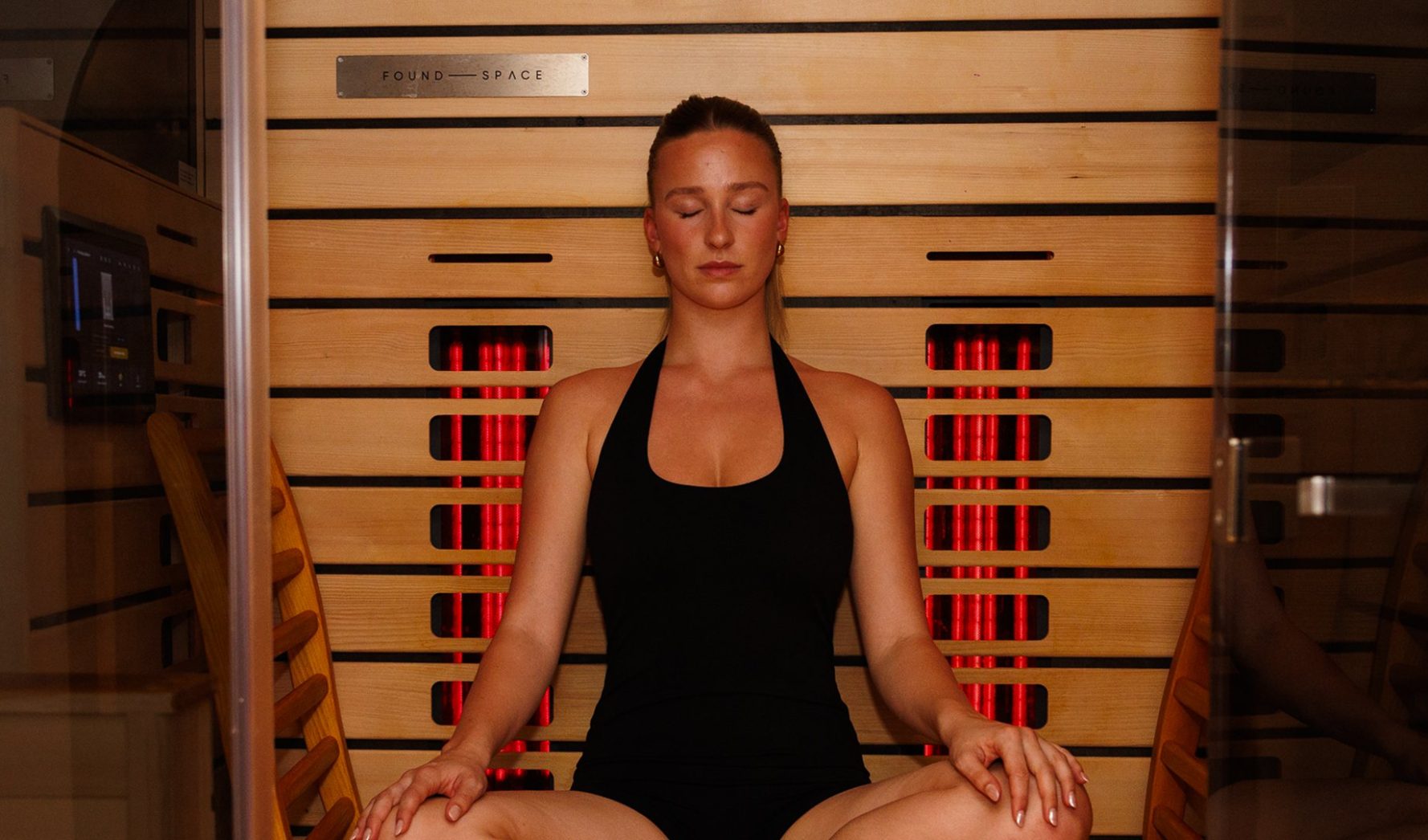
Infrared Sauna in Sydney CBD: What to Expect, the Real Health Benefits, and Where to Go
Discover the real health benefits of infrared sauna and where to experience it in Sydney CBD. Book a session at Soma Collection's…
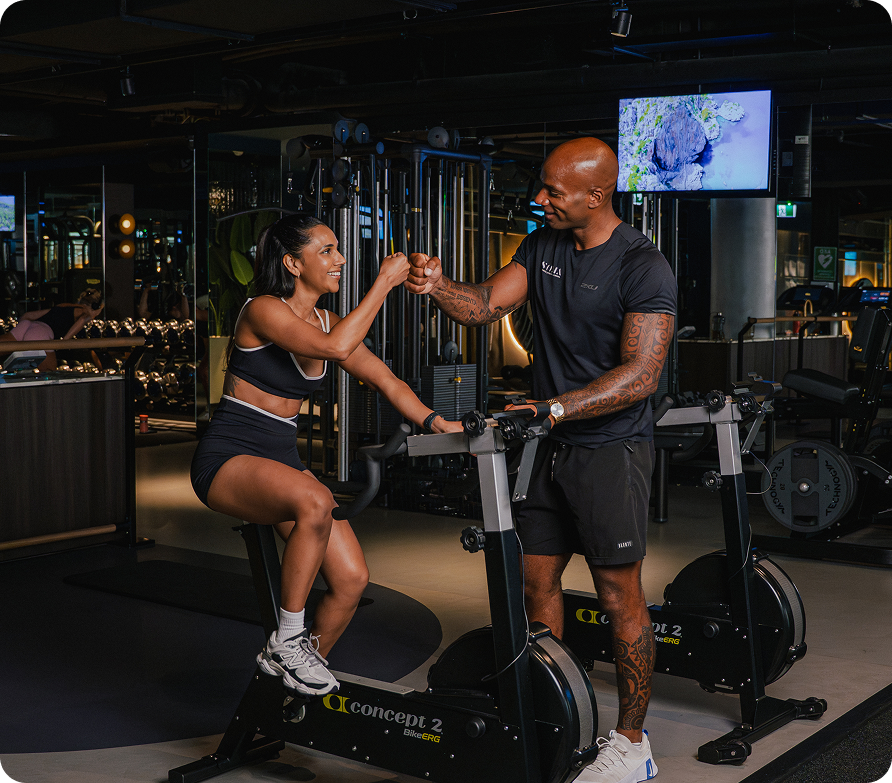
The Real Importance of Exercise in Winter: What Happens to Your Body When You Stop Moving
Sydney’s winters are relatively mild, yet they still have a way of disrupting healthy routines. Cold mornings can bring temperatures down into…
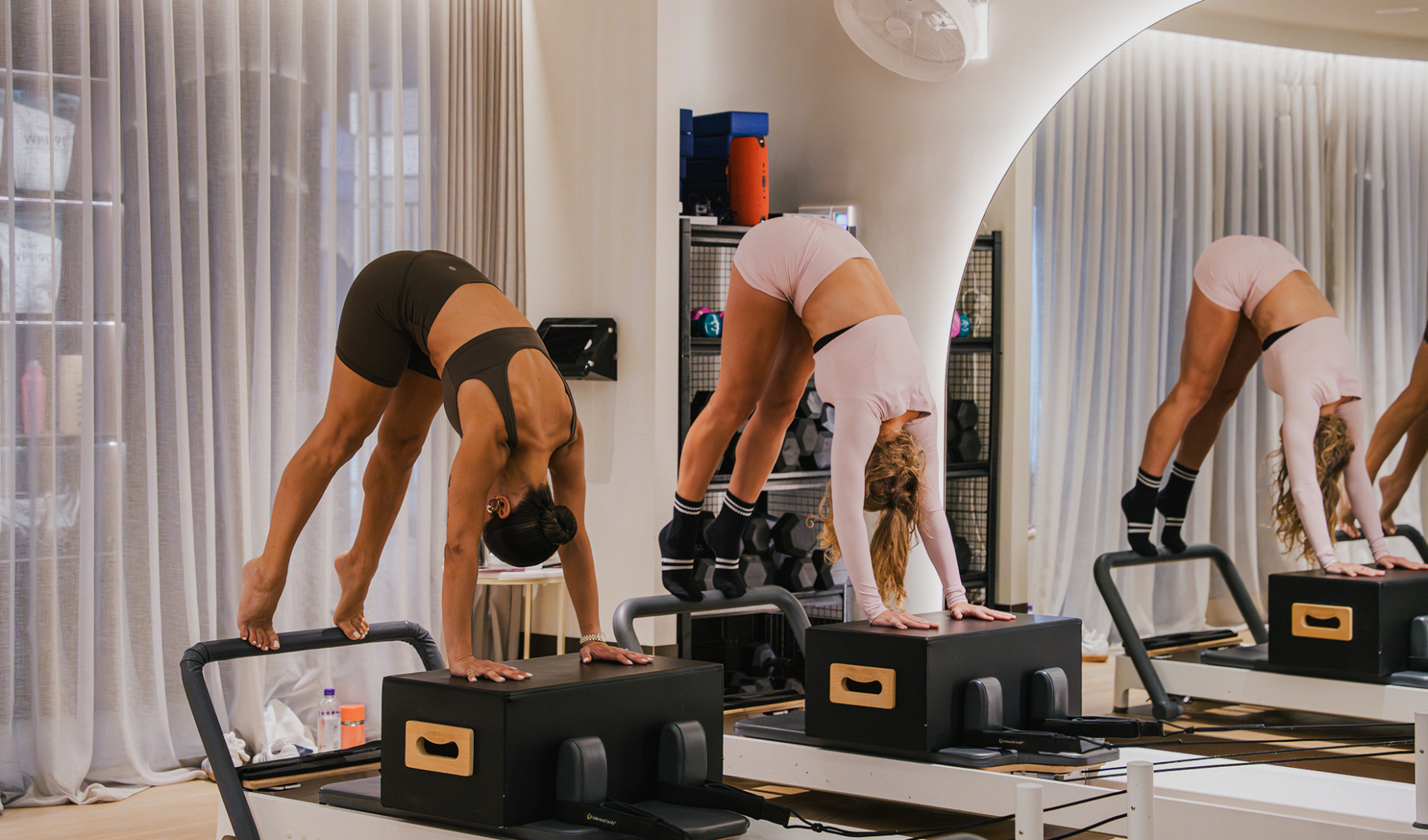
Reformer Pilates Benefits Beyond Flexibility: Why Sydney’s Elite Are Ditching Traditional Gyms
If you’ve been paying attention to the shift happening in Sydney’s CBD fitness scene, you’ve probably noticed it already. The traditional gym…
Why Winter Is Actually the Best Time to Build Muscle in Australia
Winter in Sydney brings a familiar routine. The alarm goes off, the temperature drops below 15 degrees, and the same internal negotiation…

One comment on “Functional Strength Training Explained: Why It Matters More Than How Much You Lift”
[…] the thinking behind functional strength training, too: the goal isn’t to prove how hard you can train. It’s to keep improving without […]
Comments are closed.