Longevity in Sydney: Why Our Co-Founder Tested It First
Longevity is everywhere in Sydney right now. Every week brings a new supplement, a new device, a new protocol someone swears by. Much of it is sold by people who have never used it themselves.
We wanted to do this differently.
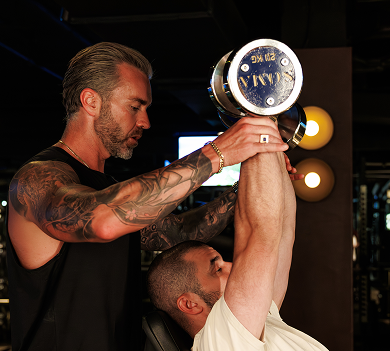
Before SOMA Longevity was offered to a single member, our co-founder Simon Anderson went through it himself. The bloodwork. The epigenetic testing. The red light. The hyperbaric chamber. The changes to how he trains, sleeps and recovers.
Not as a marketing exercise. Because it’s how SOMA has always worked: if we’re going to ask you to trust something, we should understand it from the inside first.
A Health Club Built by People Who Train
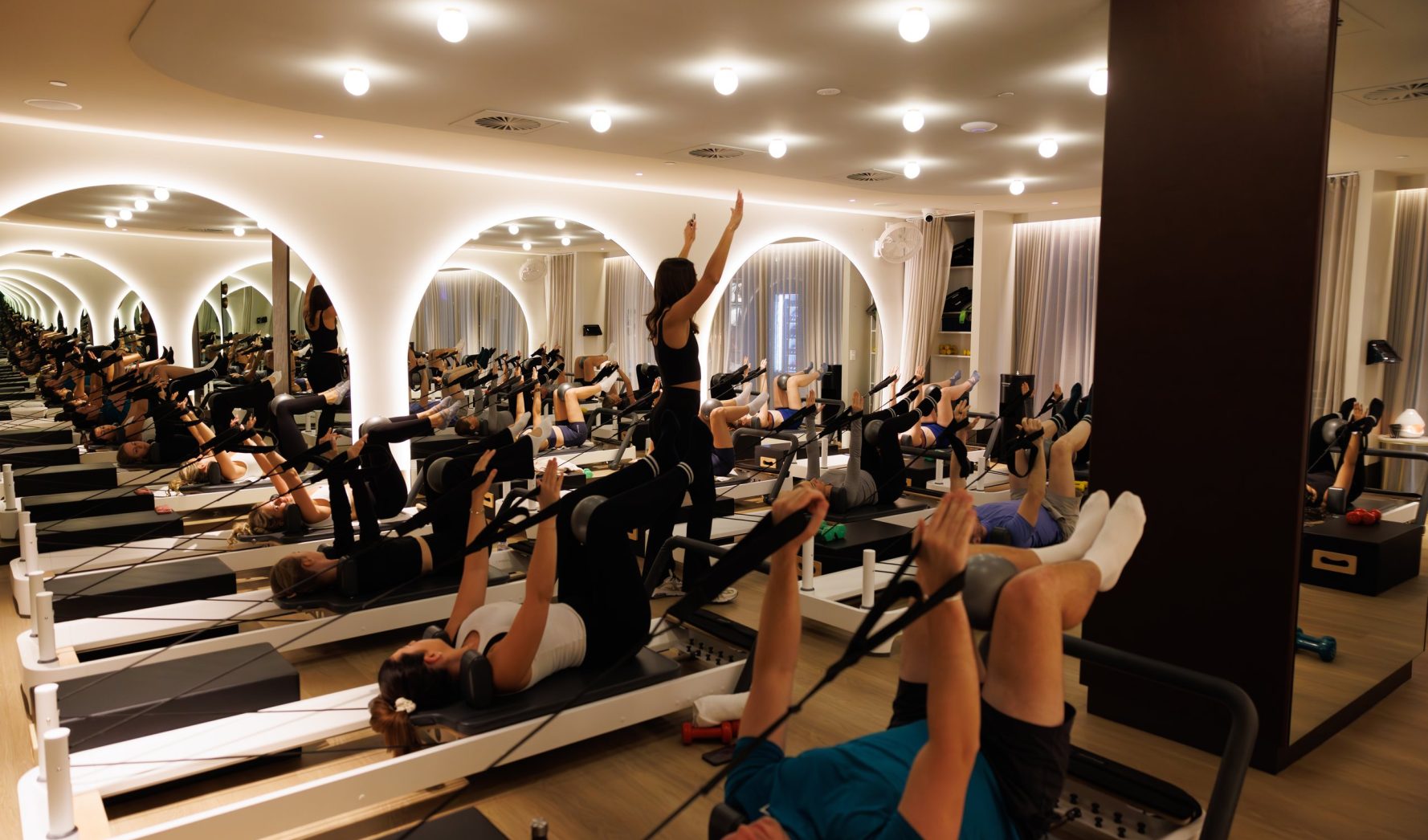
SOMA was never meant to be just another premium gym. When we opened, we were one of the earlier clubs in Sydney to bring strength training, personal training, Reformer Pilates, recovery, sauna, cold therapy and allied health together under one roof.
Each of those layers was added because we believed in it, and because we’d used it ourselves. Longevity is the next layer. And like everything before it, it started with us.
From Chef’s Hours to Chasing Size
Simon’s path into health wasn’t a straight line. Before fitness, he spent years as a chef in high-end restaurants and on private yachts. Late nights. Long hours. Caffeine, irregular meals, alcohol, and very little recovery.
When he moved into the fitness industry in his late twenties, that changed. Training became consistent. Nutrition improved. Sleep became a priority.
But for a long time, he trained like a trainer. Heavy on resistance work. Focused on strength and size. Sitting around 16% body fat and assuming that was simply where he lived.
“I spent years trying to become bigger and stronger,” Simon says. “Now I’m much more interested in becoming harder to kill.”
The research backs him up. A study of more than 120,000 adults published in JAMA Network Open found the least fit participants had around five times the mortality risk of the fittest, making cardiovascular fitness one of the strongest predictors of long-term health.
The Shift: From Guessing to Measuring
There wasn’t one health scare. It was more an accumulation of things as Simon moved into his 40s.
About two years ago, he began working closely with a doctor with an interest in preventative and longevity medicine. For the first time, he looked properly under the bonnet: comprehensive blood testing, cardiovascular fitness, body composition, skin checks and appropriate screening, alongside an honest review of his nutrition, recovery, sleep and training.
“Rather than saying, ‘I feel pretty healthy,’ I want to know,” he says.
He set himself a goal: get closer to 10% body fat. Not to be lighter, but to see whether he could feel and perform better while doing it. He got there. But the number on the scale turned out to be the least interesting part.
What His Biological Age Test Showed
When Simon completed epigenetic age testing at 43, his reported biological age came back at around 38, with a pace-of-ageing score of around 0.8.
He admits he was nervous opening it, knowing what his hospitality years looked like. But his first reaction wasn’t “job done”. It was “what can I improve next?”
That’s exactly how we think biological age should be used. As a benchmark, not a badge. A result like this isn’t a diagnosis or a prediction. It’s a starting point you can retest against.
The science is still maturing, too. A 2022 study in Nature Aging found some earlier epigenetic clocks could return noticeably different results from the same sample, which is exactly why a single result works best as a benchmark rather than a verdict.
The useful question isn’t whether you’re biologically 39 or 42. It’s whether the changes you’re making are moving your health in the right direction.
Measure First. Then Decide.
Bloodwork taught Simon something just as valuable. Like a lot of people in fitness, he’d taken supplements for years because they were “considered good for you”. Testing showed some of those nutrients were already at healthy or high levels, while other areas needed more attention.
Money and effort spent on problems he didn’t have. Real gaps left unaddressed.
And over-supplementing isn’t always harmless. Stanford Medicine notes that too much of some nutrients, such as vitamin B6 or certain forms of vitamin A, can cause real problems.
“Stop building your health plan from Instagram, podcasts and what your mate is taking,” he says. “Measure first.”
It’s the same principle behind the end of guesswork: you can’t improve what you haven’t measured.
Trying Red Light Therapy and HBOT First
Simon has personally used both red light therapy and hyperbaric oxygen therapy, two of the tools coming to SOMA Longevity.
Red light therapy. He started using it about a year ago, curious about recovery and cellular performance. What kept him coming back was simpler than the science: he liked how he felt afterwards. But he’s careful not to credit one machine with every improvement. Over the same period, he changed his nutrition, training, sleep and recovery too. “There isn’t one magic machine,” he says. “It’s a collection of good decisions made consistently.”
Hyperbaric oxygen therapy (HBOT). Simon has a degree of claustrophobia, so he walked into his first session with nerves. The reality was a spacious, air-conditioned chamber, a reclined seat, and a gradual pressure change that felt much like a plane taking off or landing. Most of the anxiety was gone by the end of that first session.
He’s equally clear about what HBOT is and isn’t. Hyperbaric medicine has a long, legitimate history for specific medical conditions. Its use in recovery and performance is still an emerging area of research, and that distinction matters.
“Our job is to sit in that middle ground,” he says. “Excited about innovation, but disciplined about evidence.”
What Changed in His Week
The biggest change wasn’t one intervention. It was a more balanced week:
- Strength training around four times a week, focused on quality over maximum load
- More Zone 2 cardio, walking, cycling and the occasional run
- A daily walk and time outdoors, plus the ocean whenever he can get there
- A consistent sleep window, usually 9:30pm to 5:30am
- Regular bloodwork and body composition tracking
- Recovery used deliberately, not as an afterthought
Anything that moves into medical territory, like hormones, prescription medication or peptides, he discusses with an appropriate doctor rather than treating it as another supplement.
The results are real. His body fat came down from around 16% to around 10% at his leanest, he’s roughly 12kg lighter than his heaviest training weight, and he moves better than he did a decade ago. (If that sounds like body recomposition, it is.)
But the reason behind it matters more. Simon has two young boys, and he wants to run, swim, train and travel with them for a very long time.
“Being able to bench another 10kg isn’t particularly useful to me if I’m exhausted walking up a hill,” he says.
What He’d Tell His Younger Self
Recovery isn’t what happens when you’re not training. Recovery is part of training.
With ten more years to work with, Simon would have brought in cardiovascular training earlier, prioritised mobility sooner, slept more, and spent less time chasing scale weight. Most of all, he’d have started measuring earlier.
Four great strength sessions beat seven mediocre ones. Walking counts. Zone 2 counts. Sleep counts. And a day off can make the next four days better. It’s the same thinking behind functional strength training: the goal isn’t to prove how hard you can train, it’s to keep progressing without breaking yourself.
Why This Matters for You
We’re not adding longevity because it’s a trend. We’re adding it because the people who run SOMA have lived it, tested it and seen what it changes.
Many of our members run businesses, lead teams or carry serious responsibility. They track revenue, costs and risk closely. Yet plenty are still running their own health on guesswork.
Simon puts it simply: “You track the performance of your business. You track investments. You track revenue, costs and risk. Why would you leave your own health to guesswork?”
SOMA Longevity is being built around the same approach Simon used on himself. Understand where you are. Act on what matters. Measure what changes. Keep improving. Not more to manage. Just more precision in what you already do.
SOMA Longevity is coming soon, and membership will be strictly limited. Join the Founding Waitlist for priority access when applications open, or book a tour to meet our personal trainers and see the facility for yourself.
Frequently Asked Questions
Has SOMA’s leadership used the longevity services themselves?
Yes. Our co-founder Simon Anderson has personally completed comprehensive bloodwork and epigenetic age testing, and has used both red light therapy and hyperbaric oxygen therapy. His experience has directly shaped how SOMA Longevity is being designed.
What does a biological age result actually tell me?
Epigenetic tests analyse biological patterns associated with ageing to estimate measures such as biological age and pace of ageing. The result isn’t a diagnosis. It’s most useful as a benchmark you can retest against after making changes to your training, sleep, nutrition and recovery.
Is red light or hyperbaric oxygen therapy a quick fix?
No. Neither is a one-session solution. Both work best as part of a consistent, appropriate protocol alongside the fundamentals: training, sleep, nutrition and recovery. At SOMA, the focus is on measuring whether something is helping rather than assuming it is.
Read more
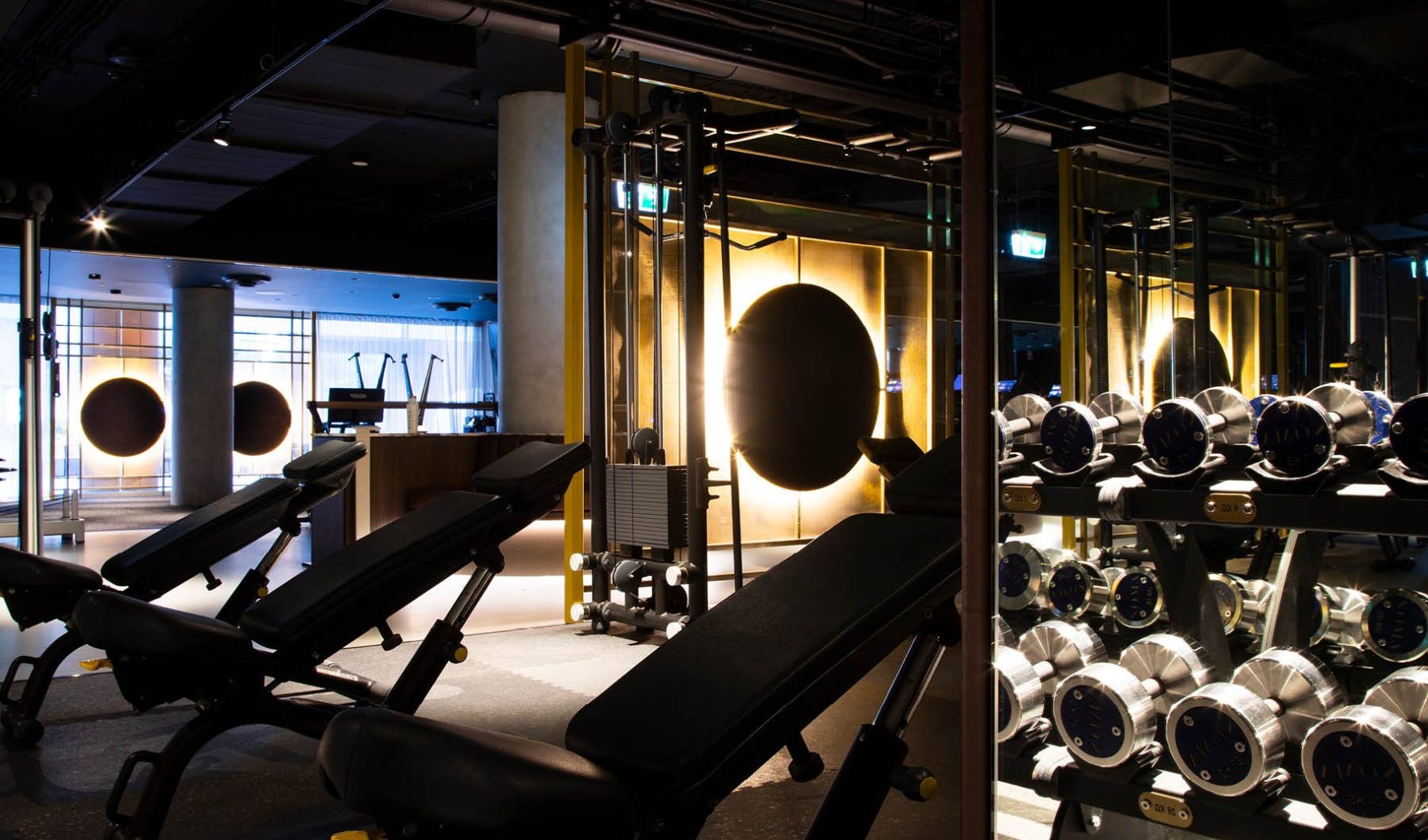
Gym with Sauna in Sydney: The Smartest Way to Train and Recover in the One Place
Looking for a gym with sauna in Sydney? Soma Collection offers premium training and infrared sauna recovery under one membership in the…
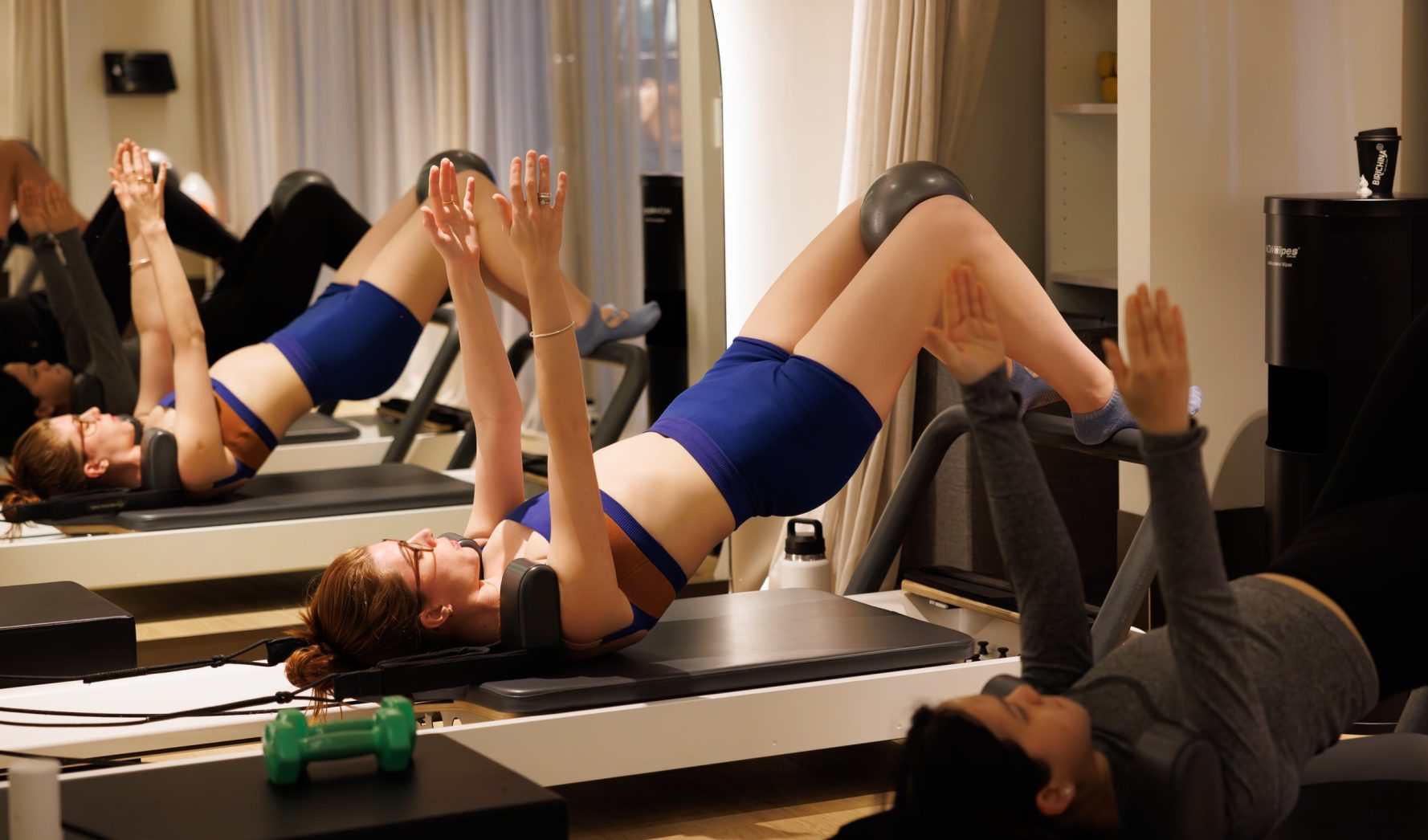
Why Reformer Pilates is Sydney’s Most In-Demand Workout (And Where to Try It in the CBD)
Discover why reformer pilates is Sydney's fastest-growing workout. Book a class at Soma Collection in the CBD and experience the difference.
One Body. One Story. Why SOMA Longevity Connects Your Health
You probably know more about your body than you did five years ago. Your watch knows how you slept last night. Your…
Pilates in Sydney: Your Complete Guide to Studios, Classes, and What to Expect in 2026
Looking for pilates in Sydney CBD? Soma Collection offers premium reformer pilates classes in small groups with expert instructors. Find out what…
