Infrared Sauna in Sydney CBD: What to Expect, the Real Health Benefits, and Where to Go
TL;DR — Skip to what matters
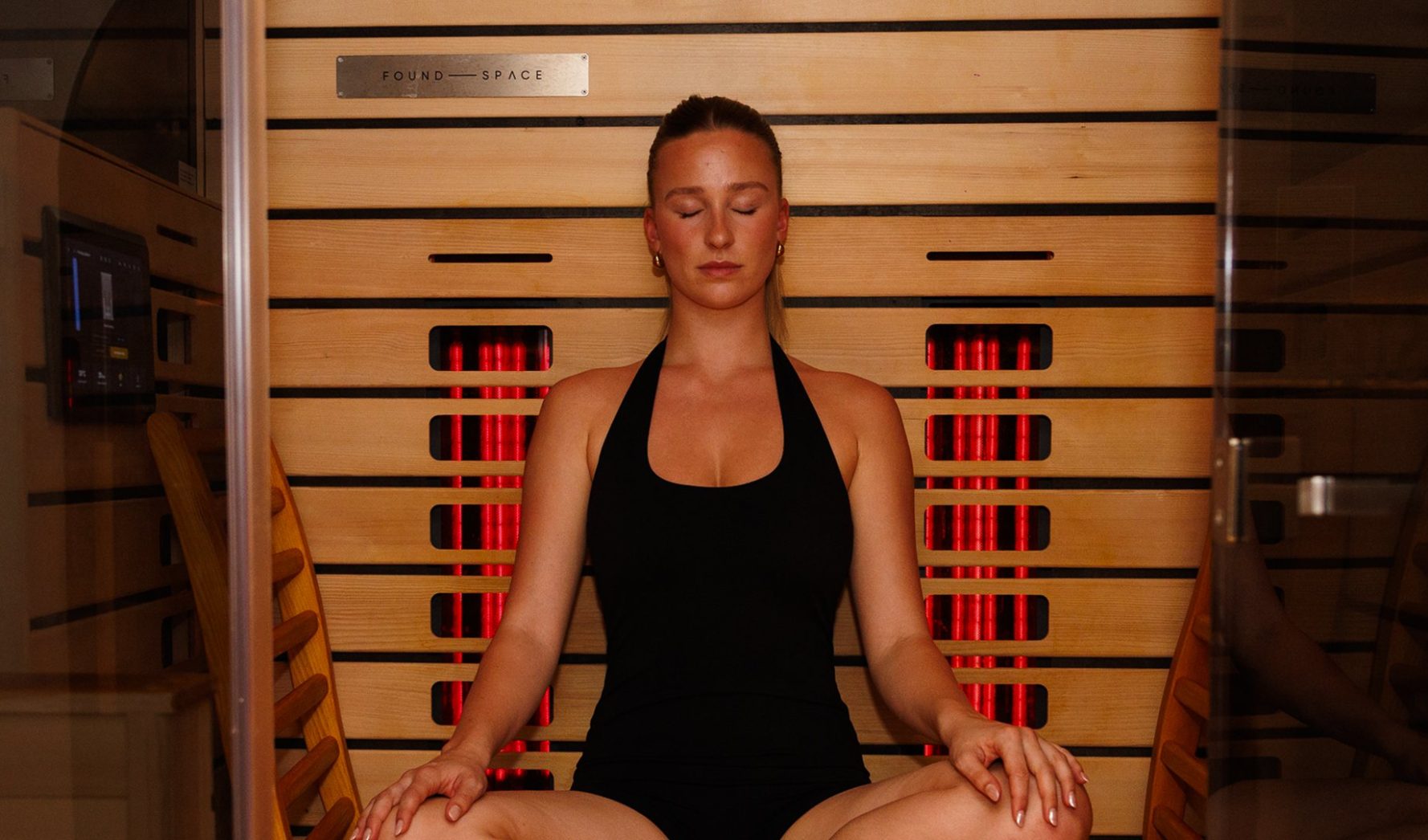
Infrared saunas use light waves to heat your body directly rather than heating the air. They run at lower temperatures than traditional saunas but penetrate deeper tissue, making them highly effective for muscle recovery, circulation, stress reduction, and skin health. SOMA Collection’s infrared sauna in Sydney CBD is available to members as part of a complete wellness package.
Table of Contents
Recovery is having a moment. And infrared sauna is right at the centre of it. If you’ve been curious about what all the fuss is about — or whether the benefits are real or just wellness marketing — this is the honest answer.
What Is Infrared Sauna and How Is It Different From a Traditional Sauna?
A traditional sauna heats the air to 80–100°C, and your body warms up as a result. An infrared sauna uses infrared light to heat your body directly, at a much lower ambient temperature (around 45–60°C). Because the heat penetrates your tissue rather than just warming the surface, your body sweats more efficiently and experiences the cardiovascular and muscular benefits at a lower, more comfortable temperature. For most people, this means longer, more enjoyable sessions with less of the “can’t breathe” intensity of a Finnish sauna.
Infrared Sauna Health Benefits: What the Research Says
The evidence is genuinely interesting. Regular sauna use (including infrared) has been associated with improved cardiovascular health, reduced inflammation, better sleep, and accelerated muscle recovery. Studies have shown measurable reductions in cortisol levels post-session — which matters a lot if you’re someone training hard or carrying chronic stress. It’s not a magic cure, but as part of a well-rounded wellness routine, it adds up.
Is Infrared Sauna Right for You?
Almost anyone, with a few exceptions. If you’re recovering from strength training or reformer pilates, a sauna session can help flush metabolic waste from muscles and reduce delayed onset soreness. If you’re dealing with chronic stress, it’s one of the most effective passive recovery tools available. A note of caution: if you’re pregnant, have certain cardiovascular conditions, or are on medication that affects thermoregulation, check with your GP first. But for the majority of healthy adults, it’s a safe and genuinely beneficial practice.
What to Expect in Your First Infrared Sauna Session
SOMA’s infrared sauna is part of a broader recovery ecosystem, not just a bolt-on amenity. Members use it alongside reformer pilates classes and personal training sessions for a complete train-recover-rebuild approach. Sessions are private, the equipment is premium, and the environment is calm — not the sweaty communal sauna experience you might be picturing. Bring water, wear something comfortable, and plan to spend 20–40 minutes. Most people feel noticeably calmer and looser within the first couple of sessions. To access the sauna regularly, SOMA’s membership is the most practical option — it integrates sauna access with gym, classes, and personal training in one package.
Frequently Asked Questions
What is infrared sauna and how is it different from a regular sauna?
A traditional sauna heats the air around you to 80–100°C, warming your body indirectly. An infrared sauna uses infrared light to heat your body directly at a much lower ambient temperature (45–60°C). The heat penetrates deeper into tissue rather than just warming the surface, making sessions more tolerable, more effective for muscle recovery, and easier to maintain as a regular habit.
What are the health benefits of infrared sauna?
Research links regular infrared sauna use to improved cardiovascular health, faster muscle recovery, reduced inflammation, better sleep quality, lowered cortisol levels, and improved skin tone. It also promotes the release of heat shock proteins that support cellular repair — making it particularly valuable as a post-training recovery tool for people who train hard.
Infrared sauna vs traditional sauna — which is better for muscle recovery?
Infrared is generally preferred for muscle recovery because the heat penetrates deeper into muscle tissue at a more tolerable ambient temperature. This means people actually complete full sessions consistently, which is where the benefits compound. Traditional saunas provide strong cardiovascular benefits but the higher heat intensity can feel difficult to sustain immediately after an already demanding workout.
How often should I use an infrared sauna for best results?
Two to three sessions per week is the commonly recommended frequency for noticeable recovery and wellbeing improvements. Daily use is safe for most healthy adults and is supported by research on regular sauna users. Consistency over months matters far more than frequency in any single week.
Is infrared sauna safe? Are there any contraindications?
Infrared sauna is safe for the vast majority of healthy adults. Consult your GP before using one if you are pregnant, have a cardiovascular condition, take medication that affects thermoregulation, or have a condition that impairs sweating. For anyone in good general health, it’s a well-tolerated and low-risk wellness practice.
What should I wear and bring to an infrared sauna session?
Wear lightweight, breathable clothing or a towel wrap. Bring a large water bottle — hydrating before, during, and after is essential. A spare towel to sit on is useful. Leave jewellery off and avoid heavy skincare products beforehand, as heat intensifies absorption and can cause irritation.
Can I use an infrared sauna after a workout?
Yes — and it’s one of the best times to use it. Post-workout sauna use accelerates clearance of metabolic waste from muscle tissue, reduces delayed-onset soreness, and helps bring your nervous system down from a heightened post-training state. Give yourself 15–20 minutes after a very intense session before entering, and hydrate well throughout.
Is infrared sauna better than a dry sauna?
For most people’s recovery and consistency goals, infrared has practical advantages: the lower ambient temperature makes sessions more comfortable and sustainable, and the deeper tissue penetration is more effective for post-workout muscle recovery. Traditional dry saunas deliver comparable cardiovascular benefits and are an excellent choice for those who prefer the higher heat experience.
How long should I spend in an infrared sauna per session?
20–40 minutes per session is the standard recommendation. Beginners should start at 15–20 minutes and build up gradually as the body adapts. The lower ambient temperature of infrared means most people can sustain longer sessions comfortably compared to traditional saunas. Always listen to your body and exit if you feel lightheaded or uncomfortable.
Does SOMA Collection offer infrared sauna as part of their membership?
Yes. SOMA Collection’s infrared sauna is included in the full membership alongside gym access, reformer pilates classes, and personal training options. It’s designed as an integrated part of the training and recovery experience — not a paid add-on. Members regularly use it after pilates and strength sessions as part of their weekly recovery routine.
Read more

Functional Strength Training Explained: Why It Matters More Than How Much You Lift
Walk into most gyms, and you’ll see people working hard to get stronger. Someone is bench pressing, someone is trying to lift…
The Real Importance of Exercise in Winter: What Happens to Your Body When You Stop Moving
Sydney’s winters are relatively mild, yet they still have a way of disrupting healthy routines. Cold mornings can bring temperatures down into…
Reformer Pilates Benefits Beyond Flexibility: Why Sydney’s Elite Are Ditching Traditional Gyms
If you’ve been paying attention to the shift happening in Sydney’s CBD fitness scene, you’ve probably noticed it already. The traditional gym…
Why Winter Is Actually the Best Time to Build Muscle in Australia
Winter in Sydney brings a familiar routine. The alarm goes off, the temperature drops below 15 degrees, and the same internal negotiation…
