How to Build Consistency in Your Fitness Journey: Trainer-Backed Strategies That Actually Work

Most people begin their fitness journey feeling highly motivated. They commit to harder workouts, stricter eating habits, and ambitious schedules because they believe faster progress comes from maximum effort.
Then reality kicks in. Work becomes stressful, routines get interrupted, energy levels drop, and motivation fades. One missed workout turns into several, and eventually the workout routine disappears completely.
That is why learning how to stay consistent with workouts is very important. Long-term fitness comes from creating routines that still work during busy weeks, low-energy days, travel, and stressful periods.
The Psychology of Fitness Habits
A. Habit Formation Basics
One of the biggest misconceptions about fitness is that motivation creates consistency. Motivation helps people start, but habits are what keep people going once excitement fades.
Habits form when behaviours are repeated consistently. Over time, your brain begins automating those behaviours, which reduces the mental effort required to continue them.
Attaching workouts to existing routines, like training after work or walking every morning, helps exercise feel more automatic instead of something requiring constant motivation.
B. How Motivation Works (and Fades)
Motivation naturally fluctuates. Some days you feel energised and focused, while other days you feel mentally exhausted or distracted. Expecting yourself to feel motivated every day is unrealistic.
Even highly disciplined people experience motivation dips. The difference is that they rely on routines and systems instead of waiting to “feel ready” before taking action.
The thing is, action creates motivation. Starting a workout, even briefly, improves energy and focus. This is why many trainers encourage people to simply begin, even if the session feels shorter or lighter than planned.
C. Trainer-Approved Mindset Shifts
One of the most important mindset shifts is understanding that consistency does not require perfection. Missing a few workouts does not ruin progress. Long-term fitness success comes from returning to your routine instead of abandoning it completely.
Another important shift involves focusing on sustainability rather than punishment. Exercise should improve your energy, confidence, and well-being. When routines become excessively restrictive and exhausting, consistency usually suffers.
People who stay active long-term prioritise repeatability over intensity. Instead of asking whether a routine looks impressive, they focus on whether it realistically fits their lifestyle.
Practical Strategies for Staying Consistent
A. Schedule Workouts Like Appointments
One of the most effective fitness consistency tips is treating workouts like appointments instead of optional activities. Most people schedule meetings, work responsibilities, and social events carefully while expecting exercise to happen whenever spare time appears.
Scheduling workouts removes much of the mental negotiation that leads to inconsistency. Once the session is planned, there is less emotional decision-making involved each day.
The best workout schedule is not necessarily the hardest one. It is the schedule you can realistically maintain around work, recovery, and everyday responsibilities.
B. Use Social Accountability
Accountability can dramatically improve consistency. People are more likely to follow through when they feel supported and responsible to others.
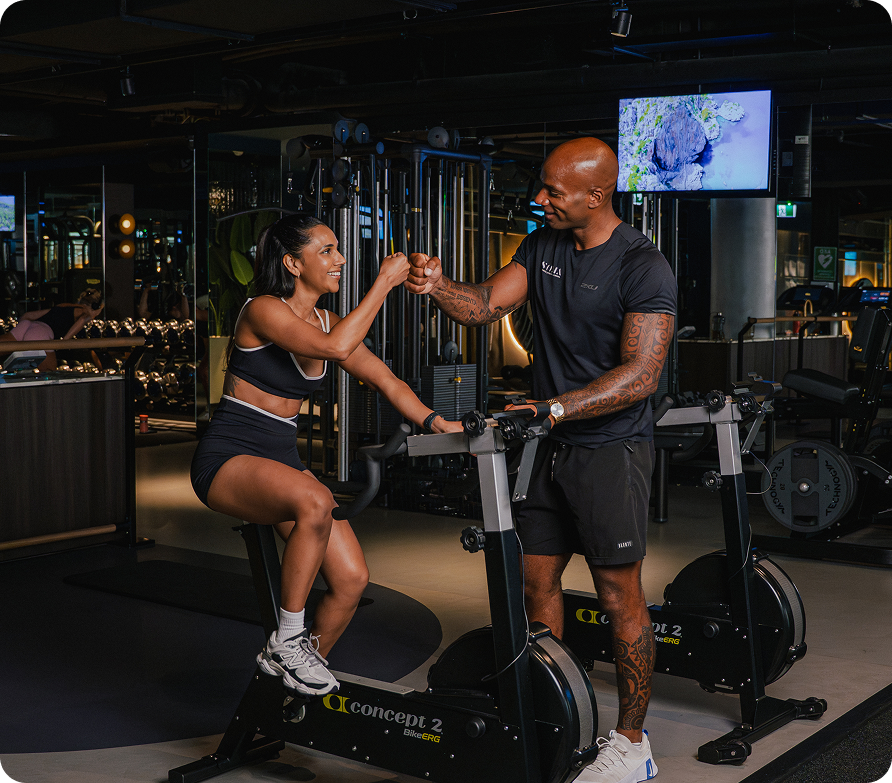
This is why accountability strategies for fitness work so well. Training with a coach, workout partner, or group creates structure that reinforces healthy habits.
This can include small group strength training classes, where the shared environment helps you stay consistent and in routine even on days when motivation is low.
C. Small Wins Build Big Results
Many people lose motivation because they focus entirely on large outcomes instead of smaller progress markers. Real fitness progress takes time, and expecting instant transformation can lead to frustration.
Small wins create momentum. Completing workouts consistently, improving sleep, increasing strength, and simply maintaining routine during busy periods are all meaningful forms of progress.
D. Track Progress to Stay Motivated
Tracking progress helps reinforce consistency because it makes improvements easier to recognise. Without tracking, many people incorrectly assume they are not progressing.
Not all progress is physical. Increased energy, improved strength, and reduced stress are all valuable indicators that your routine is working.
Simple tracking methods work best because they are easier to maintain. Workout journals or fitness apps can all help create better habits.
Overcoming Common Barriers
A. Lack of Time
Lack of time is one of the most common fitness barriers, but the bigger issue is the unrealistic expectations surrounding exercise. Many people believe workouts only count if they complete long gym sessions several times every week.
Shorter workouts can still be highly effective. A focused thirty-minute session completed consistently creates far more progress than skipping exercise altogether because time feels limited.
One of the smartest tips to stick to your fitness routine is learning how to adapt instead of abandoning it completely during busy periods.
B. Travel + Routine Disruption
Travel and schedule disruptions can impact consistency because familiar routines disappear temporarily. Sustainable fitness requires flexibility during these periods.
The goal should focus on maintaining movement and momentum rather than chasing perfect workouts. Walking more, using hotel gyms, and completing short bodyweight sessions can all help preserve routine consistency.
One disrupted week rarely ruins progress. The important part is returning to your routine quickly afterwards.
C. Motivation Dips
Every person experiences periods where motivation feels lower than usual. This is completely normal and does not mean you are failing.
During these phases, short walks, lighter sessions, and quick mobility workouts still help maintain behavioural momentum.
This is one of the most effective ways to overcome fitness motivation slumps because small actions prevent routines from collapsing completely.
D. Injury Setbacks
Injuries can feel frustrating because they interrupt progress and routine at the same time. However, injuries rarely mean all movement needs to stop completely.
Many people can continue modified exercise through walking, swimming, mobility work, or rehabilitation-based training. The key is adapting instead of assuming all progress has disappeared.
Patience matters during body recovery because rushing back too aggressively can lead to longer setbacks.
How Coaches Help You Stay On Track
A. Personalised Plans
Generic workout plans often fail because they do not reflect real-life schedules, stress levels, and recovery needs. Sustainable fitness requires routines that fit realistically into your lifestyle.
This is why personal training in Sydney improves consistency. A routine created to match your everyday schedule feels easier and more realistic to maintain.
People searching for a consistent workout plan in Sydney are often looking for structure they can realistically follow, not simply the hardest workout available.
If you are ready to take the next step, you can book a personal training session to start building consistency with support.
B. Accountability Partnerships
Accountability is one of the biggest advantages coaching provides. Many people struggle to remain consistent on their own, especially during stressful periods or motivation dips.
Having regular check-ins, guidance, and support creates structure that reinforces healthy habits. This is why accountability strategies for fitness are very effective.
Supportive coaching can help prevent the “all-or-nothing” mindset that causes many people to fall out of routine.
C. Progress Tracking
Many people feel discouraged because they do not realise how much progress they have already made. Coaches help people recognise improvements they often overlook, including improved strength, higher energy levels, and better workout performance.
Tracking these changes helps habit forming for exercise because progress becomes easier to see beyond physical appearance alone.
D. Adapting Plans When Life Gets Busy
Workloads increase, travel happens, and recovery fluctuates throughout the year. Rigid workout routines often fail because they leave no room for flexibility.
Experienced coaches help adapt routines during these periods instead of expecting perfection. This flexibility helps people maintain momentum without completely abandoning their routine.
Fitness should support your lifestyle rather than constantly competing against it.
Conclusion
Building consistency in fitness is about creating realistic habits and routines. The people who achieve sustainable results are the ones who learned how to continue showing up through setbacks.
If you have struggled with consistency before, it does not mean you lack discipline. In many cases, the routine itself was simply unrealistic or difficult to maintain.
Focus on routines that feel manageable and repeatable instead of trying to change everything overnight. Over time, those repeated actions create meaningful progress that lasts far beyond temporary motivation.
If you are trying to build a workout routine you can follow, our coaches at SOMA Collection can help you create a fitness schedule that fits your lifestyle and goals without the pressure of unrealistic expectations.
Call us at 1300 294 463 to speak with the team or enquire through the online form. You can also book a tour to explore the facility, meet the coaches, and see how the environment can support your fitness journey.
Read more

Infrared Sauna in Sydney CBD: What to Expect, the Real Health Benefits, and Where to Go
Discover the real health benefits of infrared sauna and where to experience it in Sydney CBD. Book a session at Soma Collection's…

Functional Strength Training Explained: Why It Matters More Than How Much You Lift
Walk into most gyms, and you’ll see people working hard to get stronger. Someone is bench pressing, someone is trying to lift…
The Real Importance of Exercise in Winter: What Happens to Your Body When You Stop Moving
Sydney’s winters are relatively mild, yet they still have a way of disrupting healthy routines. Cold mornings can bring temperatures down into…

Reformer Pilates Benefits Beyond Flexibility: Why Sydney’s Elite Are Ditching Traditional Gyms
If you’ve been paying attention to the shift happening in Sydney’s CBD fitness scene, you’ve probably noticed it already. The traditional gym…
