Pilates in Sydney: Your Complete Guide to Studios, Classes, and What to Expect in 2026
TL;DR — Skip to what matters
Pilates in Sydney has exploded in popularity and for good reason. Whether you’re after mat or reformer pilates, the right studio makes all the difference. SOMA Collection in Sydney CBD offers small-group reformer classes with expert instructors, premium equipment, and access to a full wellness club — not just a class booking platform. If you’re starting out or switching studios, read on before you decide.
Table of Contents
- Mat vs Reformer Pilates: What’s the Difference?
- How to Choose the Right Pilates Studio in Sydney
- Your First Pilates Class: What to Expect
- Is Pilates Right for You?
- Pilates at SOMA Collection, Sydney CBD
- FAQs
If it feels like everyone in Sydney is suddenly doing pilates, that’s not your imagination. Studios have popped up in every suburb, reformer classes are booked out weeks in advance, and people who swore they’d never touch anything that wasn’t a barbell are quietly obsessed. So what’s actually going on — and is pilates worth trying?
Mat Pilates vs Reformer Pilates: What’s the Difference?
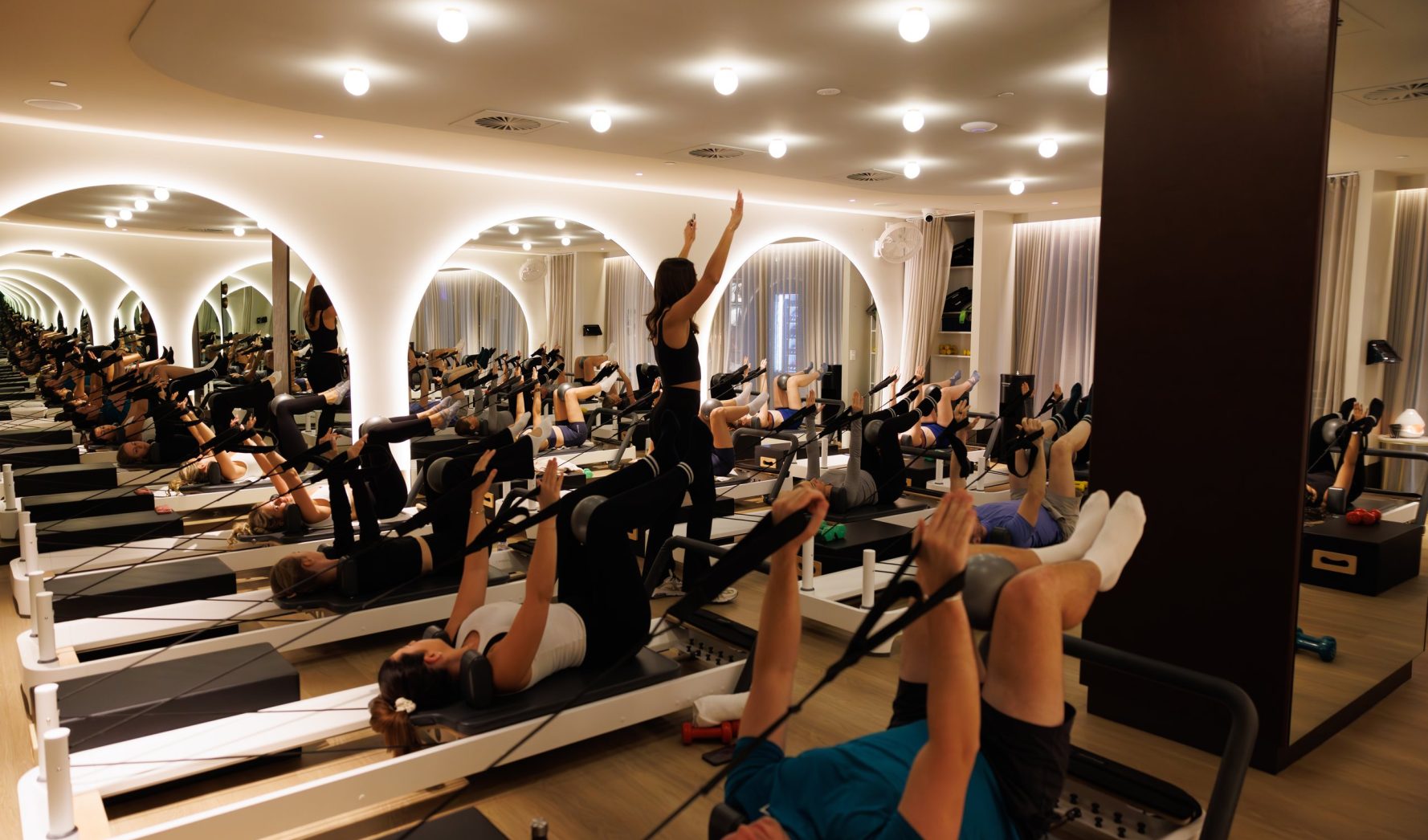
Mat pilates uses your body weight and gravity for resistance. It’s accessible, requires no equipment, and is great for core awareness and mobility. Reformer pilates adds a machine — a sliding carriage with springs and pulleys — that creates adjustable resistance in every direction. The result is a workout that’s simultaneously more challenging and more supportive than mat work. You can load the springs to build genuine strength, or lighten them to work through a tricky movement with control. That versatility is why reformer pilates tends to deliver faster, more visible results than mat alone, and why it’s become the dominant format at premium studios like SOMA’s classes in Sydney CBD.
How to Choose the Right Pilates Studio in Sydney
The market is crowded. Here’s what actually matters: class size (smaller is better — 8–12 students means the instructor can actually watch and correct you), instructor credentials (look for certified instructors, not just fitness trainers who’ve done a weekend course), equipment quality (commercial-grade reformers are a significantly better experience than budget alternatives), and studio culture. A good pilates studio feels calm, not chaotic. You should leave feeling worked but not wrecked.
Your First Pilates Class in Sydney: What Actually Happens
Don’t stress. A good studio will introduce you to the equipment before you start, and the instructor will cue every movement. Wear fitted clothes (loose fabric gets caught in the carriage), bring grip socks if you have them, and arrive 5–10 minutes early. The first class is always a bit of an orientation — you’re learning to move in a new way. Most people leave their first reformer class feeling muscles they didn’t know they had and already wanting to book the next one.
Is Pilates Right for You?
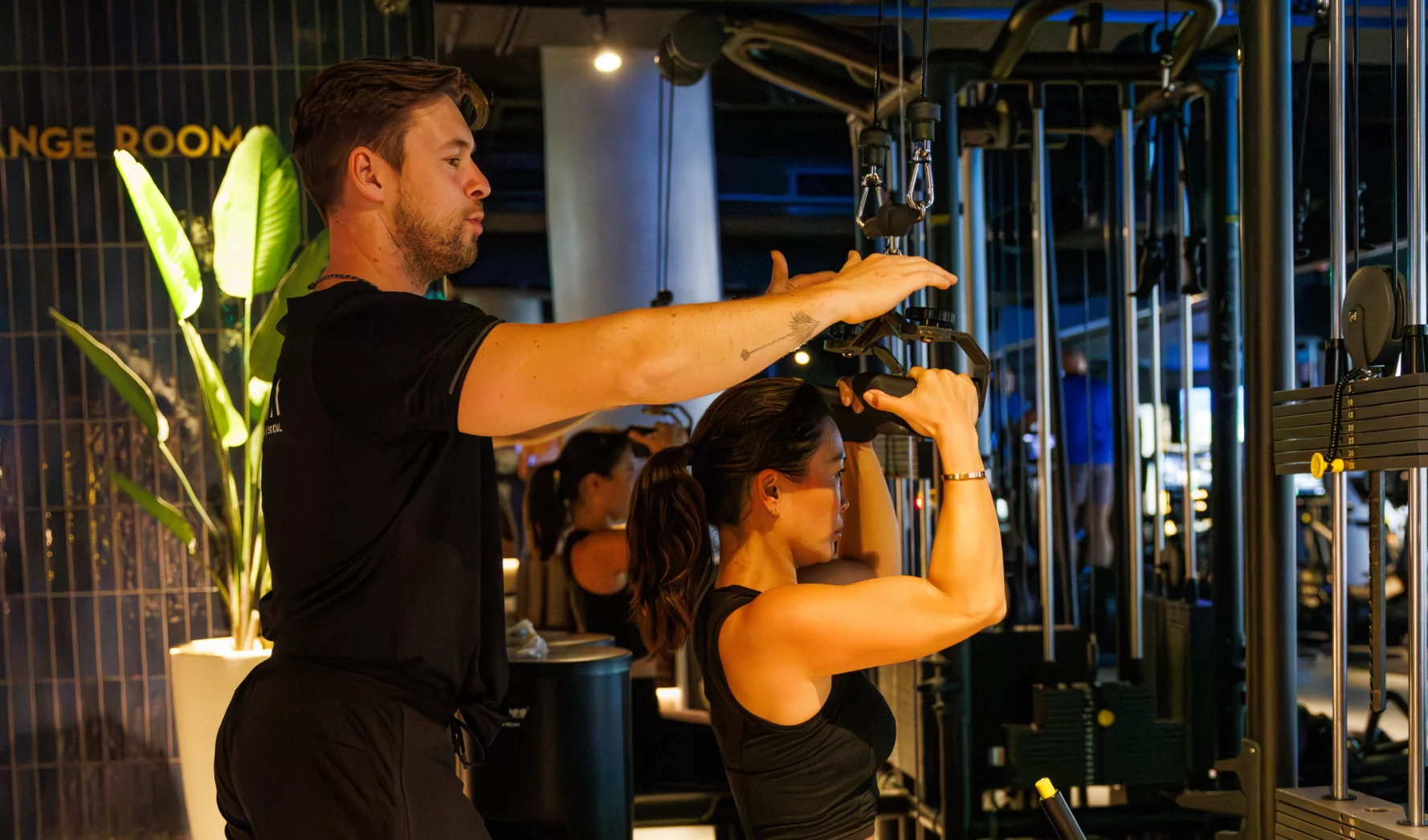
Honestly — almost everyone. It’s particularly effective for people recovering from injury (the spring resistance is kind to joints), people wanting to build functional strength without heavy lifting, anyone over 40 who wants to maintain mobility and muscle mass, and athletes using pilates as cross-training to fix stability gaps. The personal trainers at SOMA often recommend pairing pilates with strength work for the most complete results.
Pilates at SOMA Collection, Sydney CBD
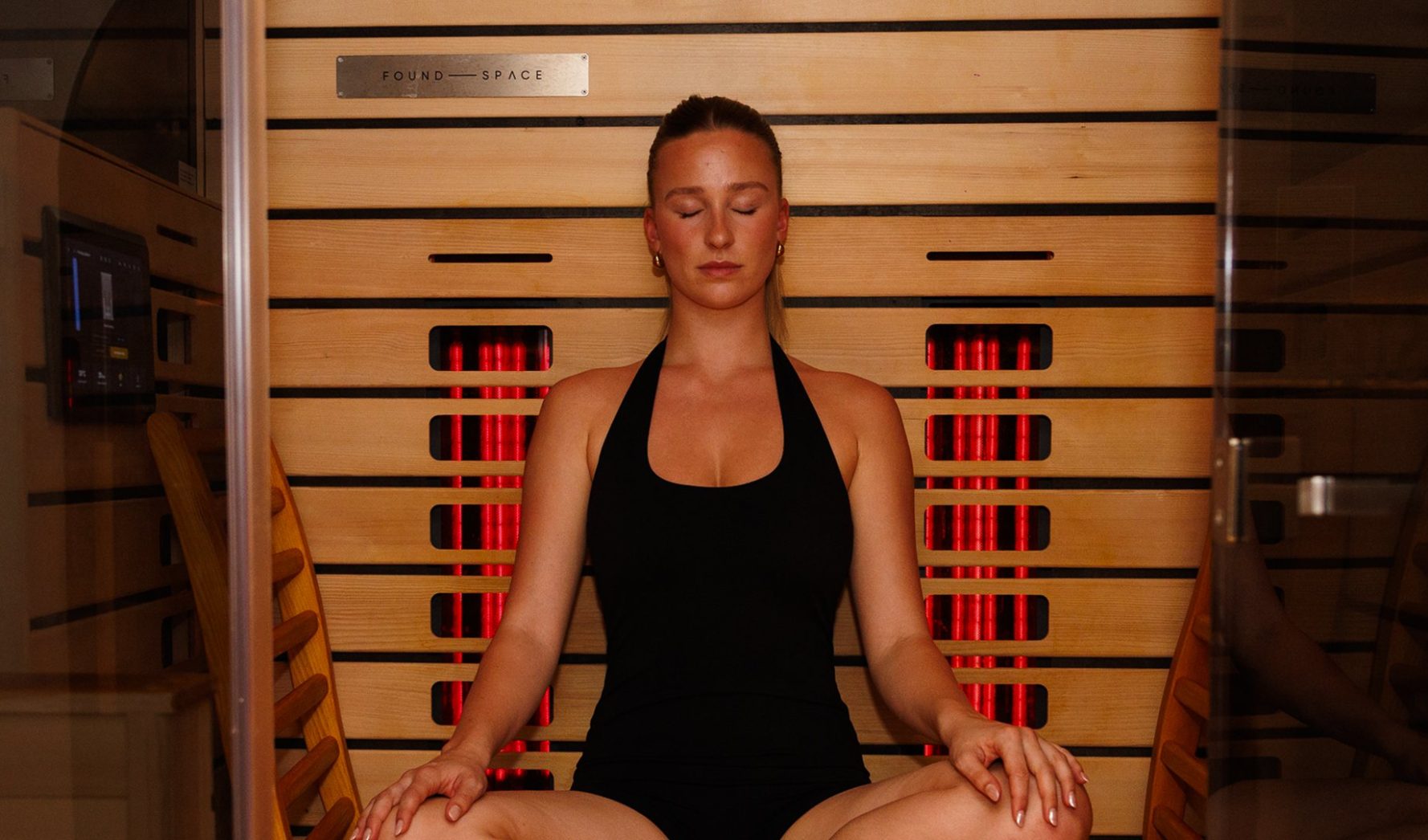
SOMA isn’t a pilates-only studio — it’s a full-service wellness club that happens to offer some of Sydney’s best reformer classes. Small class sizes mean you get real attention. The instructors are experienced specialists. And the programming goes beyond typical pilates to incorporate strength, stability, and recovery principles in every session. After class, members often head to the infrared sauna for recovery — a combination that’s become a regular ritual for many regulars. If you want pilates that’s part of a complete health approach (not just a class on a timetable), SOMA’s membership is worth exploring. You can also book a personal training session alongside your pilates practice if you want a more tailored program.
Frequently Asked Questions
What is the difference between mat pilates and reformer pilates?
Mat pilates uses bodyweight and gravity for resistance. Reformer pilates adds a spring-resistance machine that provides adjustable load in multiple directions — simultaneously supporting and challenging your body. Reformer tends to produce faster, more visible results and is the dominant format at premium studios like SOMA because of its versatility for all fitness levels.
Is pilates good for beginners in Sydney?
Absolutely. Pilates is one of the most accessible forms of exercise for beginners because movements are instructor-led, low-impact, and fully adaptable to your current level. Studios like SOMA Collection offer introductory classes designed to ease you in safely, with instructors who can modify every movement to suit you from day one.
How much does a pilates class cost in Sydney CBD?
Casual rates at premium studios in Sydney CBD typically sit between $35 and $55 per session. Class packs and memberships reduce the per-session cost considerably. At a full-service wellness club like SOMA, membership bundles pilates with gym access, personal training options, and infrared sauna recovery — strong value compared to paying for each separately.
How many times a week should I do pilates?
Two to three sessions per week is the recommended frequency for building and maintaining the strength, stability, and mobility benefits pilates offers. If you’re using pilates as a complement to other training, two consistent sessions per week will produce noticeable changes within six to eight weeks.
What should I wear to a pilates class in Sydney?
Fitted or form-fitting activewear is best. Loose clothing can catch in reformer carriage mechanisms and restricts the instructor’s ability to see and correct your alignment. Bring grip socks (required at most premium studios). Leave bulky trainers behind — most reformer classes are done in socks only.
Is pilates better than yoga for strength and flexibility?
They work differently. Yoga focuses on static flexibility, breath, and mindfulness. Pilates prioritises dynamic stability, functional strength, and controlled mobility under load. If your primary goal is building muscle while improving flexibility and posture, pilates is generally the stronger choice. Many people find value in combining both, but for body composition and functional strength, pilates has the edge.
Can pilates help with back pain?
Yes. Pilates is one of the most commonly recommended exercise modalities for chronic back pain by physiotherapists and sports medicine practitioners. It specifically strengthens the deep stabilising muscles of the core and spine that are typically underactive in people with back issues. Because it’s low-impact and instructor-guided, it’s appropriate for most people with existing back conditions.
What are the best pilates studios in Sydney CBD?
Look for studios with small class sizes (under 15), instructors with recognised certification, commercial-grade reformer equipment, and a genuine focus on movement quality over volume. SOMA Collection stands apart in Sydney CBD by offering reformer pilates within a full wellness club — including gym, personal training, and infrared sauna recovery under one membership.
Does SOMA Collection offer pilates as part of a membership?
Yes. Pilates classes at SOMA Collection are included in the full membership alongside gym access, personal training options, and infrared sauna recovery. It’s designed to give members a complete training and wellness experience without needing to juggle multiple studios or subscriptions.
How quickly will I see results from doing pilates in Sydney?
Most people notice improvements in posture, core strength, and body awareness within two to four weeks of consistent practice. More visible changes in body composition and strength typically follow at the four to eight week mark. The key is consistency — two to three sessions per week, sustained over months, is where the real transformation happens.
Read more
Your Results Are In. Now What? Data Needs Action
There has never been an easier time to know more about your body. We can measure sleep, recovery, heart rate, movement, blood…
Biological Age vs Chronological Age: What Science Says
You know exactly how old you are. It’s on your licence, your passport, and your birthday cake. But that number tells you…
Infrared Sauna in Sydney CBD: What to Expect, the Real Health Benefits, and Where to Go
Discover the real health benefits of infrared sauna and where to experience it in Sydney CBD. Book a session at Soma Collection's…
The End of Guesswork: Why the Future of Health Begins With Understanding
Most people have more health data than ever — yet still feel like they're guessing. Discover why fragmented health advice holds high…
