Strength Training for Longevity: Why Muscle Is the Health Marker Nobody Tracks
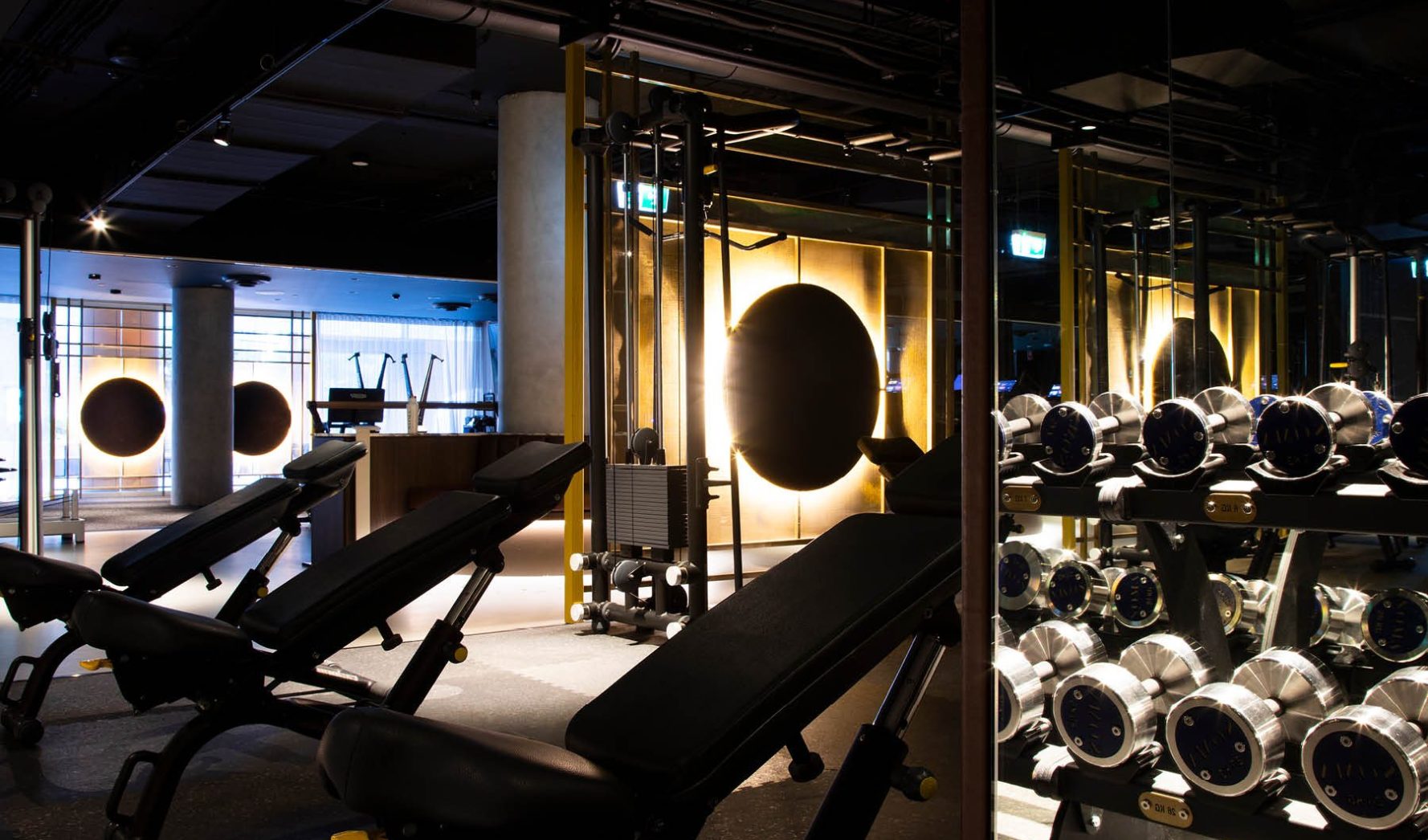
Strength training for longevity: the muscle you build now is the health you keep later
You probably know your step count. Maybe your resting heart rate, your sleep score, even your HRV. But when it comes to strength training for longevity, most people have never checked the numbers that matter.
One in particular is among the clearest signals of how well you’ll age: how strong you are.
Longevity conversations tend to drift towards supplements, scans and devices. Muscle is less glamorous. It’s also one of the few things you can measure, change and keep improving at any age.
The short version: Muscle strength and cardiovascular fitness are among the most consistent predictors of a longer, healthier life. Muscle declines quietly from midlife unless you work to keep it. The good news is that it responds to training at any age, and it’s easy to measure.
Why does muscle matter so much for longevity?
Muscle does far more than move you around. It’s one of your body’s main places to store and use glucose, so it plays a big role in metabolic health. It protects your joints, loads your bones, supports your balance and acts as a reserve when you’re sick, injured or recovering from surgery.
People underestimate that reserve. The strength you carry into your 60s and 70s determines how easily you climb stairs, carry groceries, get up off the floor, or travel without a second thought.
In other words, muscle matters less for how long you live and more for how well you live in the years you have. Strength training for longevity is an action you do today, to help build better tomorrows.
What does the research say about strength and lifespan?
The link is consistent and large.
- Grip strength. A meta-analysis of 48 studies and more than three million adults found strong evidence that lower grip strength is associated with higher risk of death from any cause, including cancer and cardiovascular disease.
- Strength training itself. A 2022 review in the British Journal of Sports Medicine linked regular muscle-strengthening activity with roughly 10 to 17% lower risk of early death, heart disease, cancer and type 2 diabetes.
- Cardiovascular fitness. In a large study of more than 120,000 adults, higher cardiorespiratory fitness was tied to lower mortality, with no upper point where the benefit levelled off.
One honest caveat: these are associations. Stronger, fitter people may also sleep better, eat better or simply be healthier to begin with. But the training studies support that direction. Lifting improves blood sugar control, bone density, balance, and body composition in ways that matter as we age.
When does muscle loss start?
Earlier than most people expect. Muscle mass and strength begin to drift down gradually from around midlife, and the decline speeds up from the 60s onwards. The medical term for significant age-related muscle loss is sarcopenia.
Strength and power fade faster than muscle size, which is why someone can look much the same at 55 as at 40 but find heavier things, stairs or quick movements harder.
For women, the years around menopause add another layer. Falling oestrogen speeds up bone loss, and resistance training is one of the most effective ways to support bone density through that transition.
Is strength the same as muscle mass?
Not quite. Muscle mass is how much you have. Strength is what it can do. Power is how quickly it can do it.
All three matter, but the research above mostly measures strength, and power is what helps you catch yourself when you trip. That’s why training for longevity looks a little different to training for size. We go deeper on this in our guide to functional strength training.
What should you measure?
You can’t improve what you never check. A useful longevity baseline covers:
- Body composition: muscle mass, body fat and bone density, measured with a proper scan rather than bathroom scales.
- Strength: grip strength is a simple, well-researched proxy, alongside a few key lifts or functional tests like sit-to-stand.
- Balance and movement: single-leg balance and movement quality show imbalances before they become injuries.
- Cardiovascular fitness: VO2 max, either tested directly or estimated by many wearables, including the Oura Ring.
- Bloodwork: markers like testosterone, vitamin D, inflammation and HbA1c shape how well you build and keep muscle. Our post on what your bloodwork tells you about your fitness covers these in detail.
Tracked together and retested over time, these show whether you’re building reserve or slowly spending it.
How should you train for longevity?
You don’t need an elaborate program. You need the right ingredients, done consistently.
- Lift at least twice a week. Australia’s physical activity guidelines recommend muscle-strengthening activity on at least two days a week, covering all major muscle groups.
- Progress the load. Muscle responds to challenge. Gradually adding weight, reps or difficulty matters more than any specific exercise.
- Train power and balance. Controlled fast movements and single-leg work protect against falls later in life.
- Keep your cardio. A base of steady aerobic work plus some harder efforts builds the fitness that sits alongside strength in the research.
- Fuel and recover. Enough protein, good sleep and proper recovery are when the adaptation actually happens. If building strength is your priority, it’s worth spacing your cold plunge a few hours from your lifting session, as cold water straight after training may blunt strength gains. The sauna is a good post-lift option instead.
If you’re also working on body composition, our guide to body recomposition pairs well with this.
How does strength fit into SOMA Longevity?
Strength isn’t a side note in SOMA Longevity. It’s built into the foundations.
Every member starts with suitability screening: a detailed body composition scan covering bone density, muscle mass and body fat, plus a movement assessment of balance, strength and imbalances. You get a personalised report outlining your training needs and a recommended longevity protocol.
That sits alongside your 75-biomarker blood panel, DNA testing, epigenetic age analysis and Oura Ring data, reviewed with Your Tomorrow’s longevity doctors and naturopaths. So if your vitamin D, hormones or inflammation are holding back your training, it shows up and gets addressed.
Then you train. SOMA Longevity is layered on full SOMA membership, so you have the gym floor, group classes and the Recovery Centre, and some packages include personal training. Retesting shows whether your strength, body composition and biological age are moving the right way.
Frequently asked questions
Is it too late to start strength training at 50 or 60?
No. Muscle responds to training at every age, and people who start later often see the fastest early gains. Start with guidance, build gradually and focus on good technique. If you have a health condition, check with your doctor first. Strength training for longevity can start at any age; it’s never too late.
How many days a week should I strength train for longevity?
At least two, in line with Australia’s physical activity guidelines, working all major muscle groups. Three sessions suits many people well. Consistency over months and years matters far more than any single week.
Is cardio or strength more important for longevity?
Both. Strength and cardiovascular fitness are each strongly linked to a longer, healthier life, and they support each other. The best longevity training includes both, weighted to what your own assessment shows you need most.
Can strength training improve bone density?
Yes. Bone responds to load, so resistance training is one of the best ways to maintain bone density, especially for women around and after menopause. If you’ve been diagnosed with osteoporosis, get a program designed with your doctor or a qualified professional.
Where can I get a body composition and strength assessment in the Sydney CBD?
SOMA Collection at Aurora Place offers a body assessment through its personal training team. SOMA Longevity members also receive a full body composition scan and movement assessment as part of suitability screening. The program is taking Founding Waitlist registrations now.
Build the strength you’ll need later
The strength you build in your 30s, 40s and 50s is the reserve you draw on for decades. It’s measurable, it’s changeable, and it’s never too late to start.
SOMA Longevity will open with a capped number of Founding Memberships. Join the Founding Waitlist to hear first when applications open, and find out where your strength stands today.
Read more
Red Light Therapy Sydney: Your Essential 2026 Guide (and Where Hyperbaric Oxygen Fits)
Red light therapy Sydney: the evidence, the hype and where hyperbaric oxygen fits Five years ago, a red light bed was something…
What Your Bloodwork Actually Tells You About Your Fitness (And What It Doesn’t)
Blood tests for fitness: the markers behind your training, recovery and long-term health Your last blood test came back normal. Good news.…
Longevity in Sydney: Why Our Co-Founder Tested It First
Longevity is everywhere in Sydney right now. Every week brings a new supplement, a new device, a new protocol someone swears by.…
Gym with Sauna in Sydney: The Smartest Way to Train and Recover in the One Place
Looking for a gym with sauna in Sydney? Soma Collection offers premium training and infrared sauna recovery under one membership in the…
