Cold Plunge, Sauna, or Both: What Actually Speeds Up Your Recovery After Training?
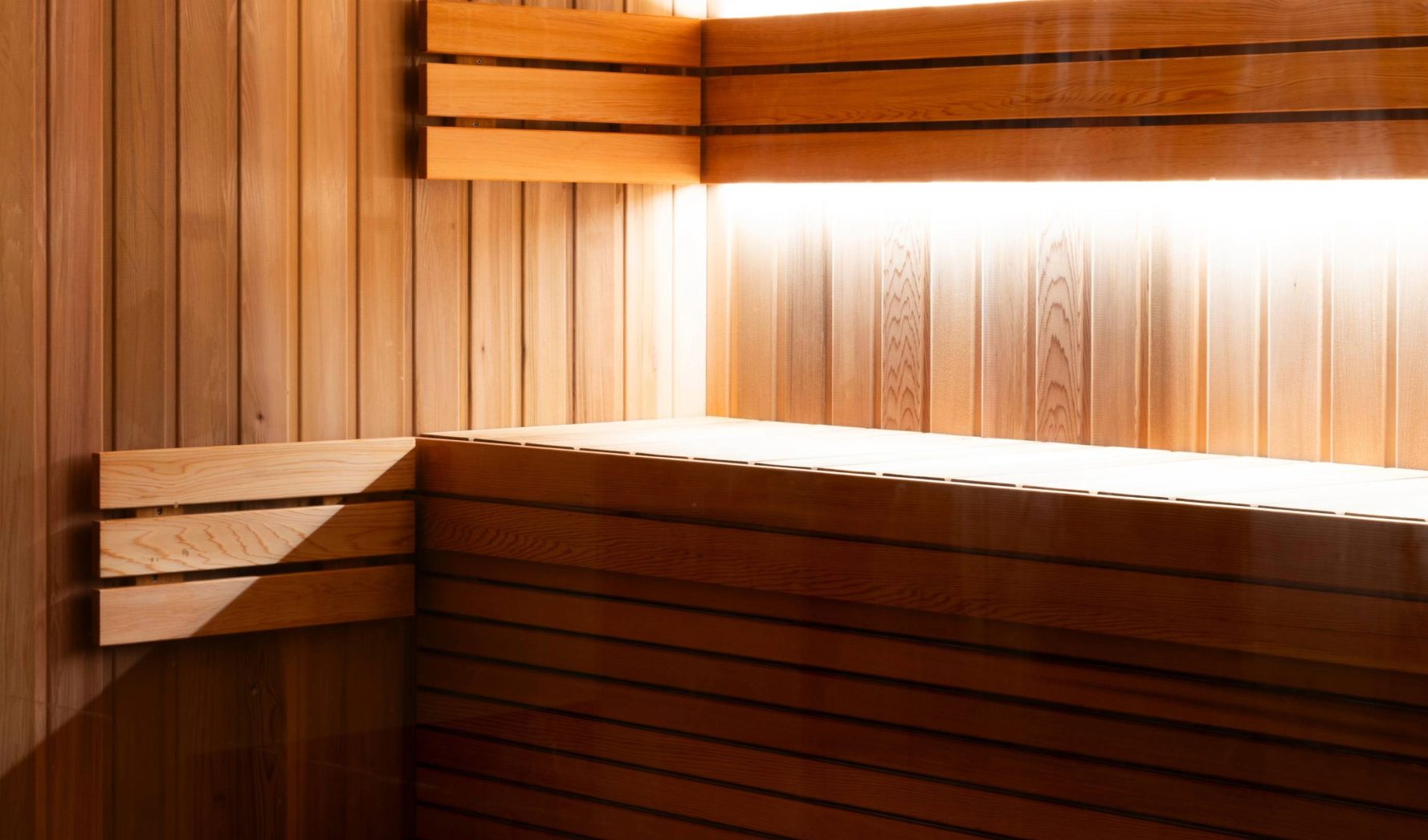
Cold plunges reduce inflammation and muscle soreness, saunas improve circulation and support relaxation, and contrast therapy (alternating between both) produces the strongest combined recovery effect. At SOMA’s recovery centre, all three are available and included with membership, designed to integrate directly with your training week.
Most gym members spend 60 minutes training and zero minutes recovering, then they wonder why progress stalls, soreness lingers into the next session, and energy never quite returns to where it should be.
Recovery is programmable, and when it is approached with the same intention as your training, the results compound.
The question of whether to use a cold plunge, a sauna, or both has become one of the most searched recovery topics in Australia in 2026. The answer is not simple, but it is clear once you understand what each method actually does to your body and when to use it.
This article covers the science behind each approach, how they compare, and how to apply them practically after training.
Why Recovery is Now Considered Part of Your Training
The old view of recovery was straightforward: rest, sleep, repeat. Increasingly, the research and the practice of high-level coaches and athletes tell a different story.
Getting stronger, leaner, more conditioned happens in the window after training, when the body repairs the damage caused by the session. Training is the stimulus, but recovery is where the result is produced.
For professionals training 3–4 times per week, the quality of that recovery window directly determines how much adaptation actually occurs. Poor recovery means accumulated fatigue, reduced performance in subsequent sessions, and slower body composition change over time.
Structured recovery methods, such as cold therapy, heat therapy, and contrast therapy, accelerate the repair process. They are tools, and the evidence for them is meaningful.
What Happens to Your Body in the 24 Hours After a Hard Training Session?
Understanding why recovery methods work starts with understanding what training actually does to the body.
During a resistance training session, muscle fibres develop small tears at a microscopic level. This is the mechanism of muscle growth: the tears trigger a repair response that rebuilds the tissue slightly stronger than before. The inflammatory cascade that follows is the source of the soreness you feel in the 24–48 hours after a session, often referred to as delayed onset muscle soreness (DOMS).
Simultaneously, the nervous system has been under sustained load. Heart rate, blood pressure, and cortisol have all been elevated. The body needs to shift from a sympathetic (high-alert, performance) state back to a parasympathetic (rest and repair) state.
The faster that transition happens, the faster recovery begins, and this is where deliberate recovery methods intervene.
What are the Cold Plunge Benefits? The Science, Plainly Explained
Cold water immersion has been used in athletic recovery for decades, but the evidence base has strengthened considerably in recent years.
When you submerge in cold water, blood vessels near the skin surface constrict as blood is redirected to the core to protect vital organs.
When you exit, those vessels dilate, driving oxygenated blood back through the tissues. This vascular pumping effect is one of the primary mechanisms behind the cold plunge benefits for muscle recovery.
A 2012 systematic review by Bleakley et al., published in the British Journal of Sports Medicine, found that cold water immersion was effective at reducing DOMS and perceived fatigue in athletes compared to passive recovery. The effect was most pronounced at water temperatures between 10–15°C and immersion durations of 10–15 minutes.
Additional cold plunge benefits include:
- Reduced inflammation. Cold exposure blunts the acute inflammatory response, which can reduce the severity and duration of post-training soreness.
- Nervous system downregulation. Cold immersion activates the vagus nerve, which supports the shift from sympathetic to parasympathetic state. This is why many people report feeling calm and focused after a cold plunge rather than energised.
- Mental resilience. Controlled cold exposure trains the stress response. Over time, the ability to remain composed under physical discomfort carries over into other areas of performance and daily function.
One important nuance: if your goal is hypertrophy (building muscle mass), timing matters. Research published in the Journal of Physiology (Roberts et al., 2015) found that cold water immersion performed immediately after strength training can partially blunt the anabolic (muscle-building) signalling response.
For most people using cold therapy for recovery rather than maximal hypertrophy, this is a minor consideration. But if muscle building is your primary goal, waiting one to two hours after your session before using the cold plunge is the more conservative approach.
SOMA’s cold plunge is magnesium-infused, which adds a further recovery benefit. Magnesium absorbed transdermally supports muscle relaxation and has been associated with improved sleep quality; it’s an undervalued part of the recovery process.
Sauna After Training: What the Evidence Actually Supports
Where cold immersion works primarily through vascular constriction and nervous system regulation, sauna works through the opposite mechanism: vasodilation and heat adaptation.
During a sauna session, core body temperature rises, blood vessels dilate, and circulation increases significantly. Heart rate elevates in a way that mimics light cardiovascular exercise; it’s passive cardiovascular conditioning without additional muscular load.
Research on sauna physiology, including work by Laukkanen et al. published in JAMA Internal Medicine (2015), has linked regular sauna use to improved cardiovascular function, reduced blood pressure, and lower all-cause mortality over time. These are long-term benefits from consistent use rather than immediate post-training effects.
For immediate recovery purposes, sauna supports:
- Muscle relaxation. Heat loosens tight tissue and reduces post-training stiffness.
- Cortisol reduction. The heat-induced relaxation response helps lower cortisol, supporting the shift out of a high-stress physiological state.
- Sleep quality. The core temperature drop that occurs after leaving a sauna mimics the natural temperature drop the body undergoes before sleep, making it easier to fall asleep and stay asleep.
- Endorphin release. Heat exposure triggers endorphin and growth hormone release, which support recovery and mood.
SOMA has both infrared and traditional sauna options. If you want to understand the differences between them in detail, the infrared sauna vs traditional sauna piece covers the physiology and use cases of each in full.
Cold Plunge vs Sauna vs Contrast Therapy: When to Use Each
| Method | What It Does | Best Timing | Session Length | Best For |
|---|---|---|---|---|
| Cold plunge | Reduces inflammation, DOMS, and perceived fatigue. Supports nervous system downregulation | 1–2 hours post-training (or immediately for non-hypertrophy goals) | 10–15 minutes at 10–15°C | Soreness reduction, stress regulation, mental resilience |
| Sauna | Improves circulation, reduces muscle stiffness, supports cortisol reduction and sleep quality | Any time post-training or on rest days | 15–20 minutes per session | General recovery, sleep improvement, cardiovascular conditioning |
| Contrast therapy | Combines vascular pumping of both methods, accelerates metabolic waste clearance, reduces soreness faster | 1–2 hours post-training | 3–5 rounds of alternating hot/cold (3 min hot, 1 min cold) | Fastest recovery between training sessions, accumulated fatigue, high training volume weeks |
What is Contrast Therapy, and Why is it Producing the Strongest Recovery Results?
Contrast therapy, alternating between heat and cold exposure in repeated cycles, produces a physiological effect that neither method achieves alone.
When you move from heat to cold, your blood vessels go through rapid cycles of dilation and constriction. This acts like a pump, flushing metabolic waste products (including lactic acid and inflammatory byproducts) out of the tissues more efficiently than either stimulus in isolation.
A meta-analysis published in the Journal of Strength and Conditioning Research (Higgins et al., 2017) found that contrast therapy was superior to cold water immersion alone for reducing perceived soreness and restoring performance in the 24–48 hours following intense exercise.
For people training multiple times per week, contrast therapy is the most effective protocol for maintaining consistent performance across sessions. It is particularly useful during periods of high training volume or when soreness from a previous session is bleeding into the next.
The practical protocol most supported by the evidence: three to five alternating rounds of three minutes in the sauna followed by one minute in the cold plunge, ending on cold.
Total time: approximately 12–20 minutes.
How Long, How Cold, How Often: The Practical Cold Plunge Protocol
- Temperature: 10–15°C is the range most consistently used in research for recovery benefits. Below 10°C produces stronger nervous system effects but is not meaningfully more effective for soreness reduction.
- Duration: 10–15 minutes per session. The cold plunge benefits begin to plateau after 15 minutes, and very long exposures at cold temperatures carry diminishing returns.
- Frequency: 2–4 times per week is a practical target for most active adults. Daily use is not harmful for most people, but recovery benefit is not proportional to frequency; the body adapts to the stimulus over time.
- Timing: For general recovery and soreness reduction, any time post-training works. For those with hypertrophy as a primary goal, waiting one to two hours after a strength session before cold immersion is the more conservative approach based on current evidence.
- What to do if you’re new to cold exposure: Start shorter (3–5 minutes) at a slightly higher temperature, and build tolerance progressively over two to three weeks. The physiological and psychological benefits emerge through consistent practice.
How SOMA’s Recovery Centre Fits Into Your Training Week
The recovery centre at SOMA was designed to integrate with training, not exist alongside it as an afterthought.
Access to the magnesium-infused cold plunge, the infrared sauna, and the traditional sauna is included with all SOMA memberships. There is no additional booking required and no time limit imposed; members use the facilities as part of their normal training visit or as a standalone recovery session.
The recovery centre is open Monday to Thursday from 6:00 am to 8:30 pm, Friday from 6:00 am to 7:00 pm, and Saturday from 8:00 am to 3:00 pm, which means before-work, lunch, and after-work access on most days.
The way SOMA’s personal trainers in Sydney CBD integrate recovery into programming varies by client and goal. For members pursuing body recomposition or building strength over a longer training block, recovery sessions are treated as a scheduled component of the week. For members in high-stress periods where training load needs to be managed carefully, the sauna and cold plunge become the primary tools for maintaining consistency without accumulating fatigue.
The goal is simple: the training you do in the gym should produce results, and structured recovery is what makes that possible.
Frequently Asked Questions About Cold Plunge Benefits and Recovery
Should I do a cold plunge before or after training?
After. Cold immersion before training can reduce muscle temperature and impair performance. The cold plunge benefits are recovery-oriented and are most effective in the post-training window. If you want to use cold exposure before training for focus and alertness, a cold shower is sufficient; full immersion is unnecessary.
How long should I stay in a cold plunge?
The research-supported range is 10–15 minutes at 10–15°C. Shorter sessions (3–5 minutes) are a good starting point if you’re new to cold exposure. Extending beyond 15 minutes does not meaningfully increase recovery benefit.
Is cold plunging safe for everyone?
For most healthy adults, yes. Cold water immersion is contraindicated for people with certain cardiovascular conditions, Raynaud’s disease, or cold urticaria (allergic reaction to cold). If you have any cardiovascular history, check with your GP before starting cold exposure practice.
Does the cold plunge really reduce soreness, or is it just psychological?
Both, and neither is a disqualifier. The physiological mechanisms, such as vascular constriction, reduced inflammatory markers, and accelerated metabolic waste clearance, are well-documented. The psychological component (reduced perceived soreness, improved mood, faster return to feeling ready to train) is also real and meaningful for training consistency. You don’t need to separate them; however, both lead to better outcomes.
Should I use the sauna or cold plunge on rest days?
Yes to both. Rest day sauna or cold plunge sessions support ongoing recovery without adding muscular load. Sauna on a rest day supports circulation, muscle relaxation, and sleep quality. A cold plunge on a rest day can help clear residual soreness and reset the nervous system for the training days ahead.
Can cold plunges help with sleep?
Indirectly. Cold exposure activates the parasympathetic nervous system, which supports the body’s ability to rest. The magnesium in SOMA’s cold plunge has additional sleep-supportive effects. Using the cold plunge in the afternoon or evening, followed by time in the sauna, mirrors the natural body temperature drop that precedes sleep onset, making it easier to fall asleep.
Do Not Skip Recovery After Workouts
Training without recovery is like building a house and never letting the concrete set. The structure is there, but it’s not solid.
Whether you’re managing soreness between sessions, trying to train more frequently, or simply trying to feel better during a demanding work period, structured recovery is not a luxury. It’s the part of the process that determines whether your effort actually converts into adaptation.
Explore the recovery centre at SOMA or view membership options to see how recovery access is included as part of every program.
Read more
Summer Fitness in Sydney: Why Six Weeks With a Coach Changes Everything
Every year it happens the same way. October arrives, the days get longer, and somewhere in the back of your mind a…
What Your Bloodwork Actually Tells You About Your Fitness (And What It Doesn’t)
Blood tests for fitness: the markers behind your training, recovery and long-term health Your last blood test came back normal. Good news.…
Longevity in Sydney: Why Our Co-Founder Tested It First
Longevity is everywhere in Sydney right now. Every week brings a new supplement, a new device, a new protocol someone swears by.…
Gym with Sauna in Sydney: The Smartest Way to Train and Recover in the One Place
Looking for a gym with sauna in Sydney? Soma Collection offers premium training and infrared sauna recovery under one membership in the…

One comment on “Cold Plunge, Sauna, or Both: What Actually Speeds Up Your Recovery After Training?”
[…] we explored in our blog on cold plunge vs sauna recovery methods, contrast therapy — combining heat and cold — produces measurably stronger recovery outcomes […]
Comments are closed.